Has India Become a New Center for Muslim Spiritual Leadership? Analysis and Future Outlook
Explore the potential shift of Muslim spiritual leadership towards India, examining historical ties, political dynamics, and the role of influential figures.



Explore the potential shift of Muslim spiritual leadership towards India, examining historical ties, political dynamics, and the role of influential figures.
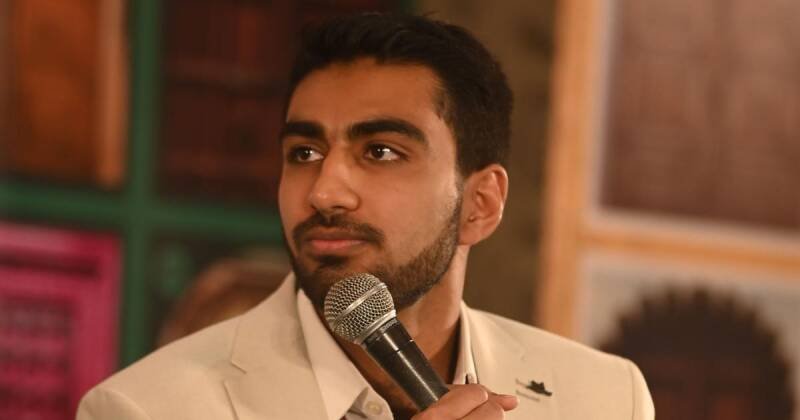
Recent discussions have suggested a potential shift in the spiritual leadership of the Muslim world, with India emerging as a possible new center. This idea, explored in depth by Imran Mulla, author of 'The Indian Caliphate: Exiled Ottomans and the Billionaire Prince,' raises important questions about historical connections, political dynamics, and the future of Islamic influence.
Historically, the Ottoman Empire held significant spiritual authority for many Muslims worldwide. However, Mulla's work highlights a long-standing, often overlooked, connection between the Ottoman Caliphate and India. This relationship, fostered through shared religious identity and cultural exchange, created a fertile ground for continued influence even after the Caliphate's demise.
Many Indian Muslims have long respected figures of authority beyond national borders, and the connections with the Ottoman Empire were especially strong. This respect created a system where the legacy of the Caliphate could take root.
Could India truly emerge as a new spiritual hub? Several factors suggest this is a possibility. The country boasts the second-largest Muslim population globally, and its vibrant Islamic intellectual tradition has persisted for centuries. Furthermore, India's unique political landscape, while complex, provides a space for diverse interpretations of Islam to flourish.
The idea of spiritual leadership moving to India is a recent hypothesis, but there are several strong points for the theory.
This potential shift in spiritual leadership has profound implications for global politics and religious understanding. If India gains prominence, it could reshape the dynamics of interfaith dialogue, influence geopolitical alliances, and impact the direction of Islamic thought. It is important to understand that such a shift would not diminish the role of countries like Saudi Arabia or Egypt, which currently hold great significance. The shift could add to the diversity of thoughts and interpretations, and add more nuance to religious leadership.
In our opinion, while it's premature to declare India as the definitive new spiritual center, the conditions are ripe for a significant increase in its influence. The historical connections with the Ottoman Caliphate, combined with India's large and diverse Muslim population, create a unique environment for spiritual leadership to emerge. The concept of leadership itself is also undergoing changes with the advent of technology, making it possible for more diverse communities to become more relevant in the broader discussion.
However, it's crucial to acknowledge the internal complexities within the Indian Muslim community and the potential challenges posed by rising nationalism and Islamophobia. These internal dynamics can significantly impact the ability of India to solidify its position as a respected and influential spiritual center.
The future of Muslim spiritual leadership is likely to be multi-faceted, with no single center dominating. India's role will depend on several factors:
This shift is not without its potential challenges. Rising nationalism in India, coupled with instances of Islamophobia, could hinder the progress of Indian Muslim leaders in gaining international recognition and influence. It is important to ensure that the rights and safety of Muslims are protected within India. This could impact the ability of the Muslim community to fully embrace this potential.
Technology will play an increasingly important role in shaping the future of spiritual leadership. Online platforms can amplify the voices of Indian scholars and leaders, allowing them to reach a global audience. This could facilitate greater engagement and collaboration with Muslims around the world. It is important that people use technology wisely and to advance good causes.
The discussion surrounding India's potential role in Muslim spiritual leadership is complex and evolving. While challenges remain, the historical ties, the large Muslim population, and the vibrant intellectual tradition create a fertile ground for India to emerge as a significant center of influence. As such, this is something to follow closely.
























