Haiti Gang Violence: Child Soldiers, International Intervention, and the Future
Haiti faces a crisis with child soldiers deeply embedded in gang warfare. An international force arrives, but addressing root causes like poverty and hunger is crucial for long-term peace.
Haiti's Child Soldiers: A Generation Lost in Gang Warfare
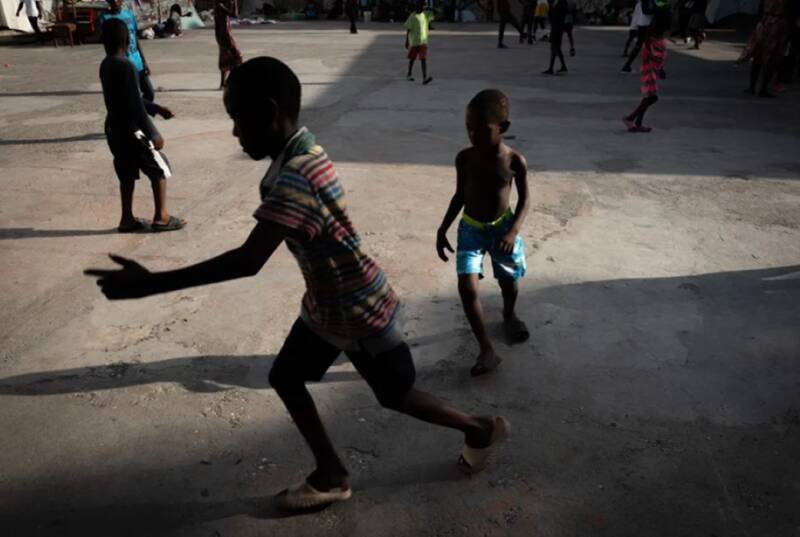
Haiti is grappling with a devastating crisis where armed gangs wield significant power, and shockingly, children are at the forefront of this conflict. Thousands of young Haitians are caught between the promise of a new multinational security force and the brutal reality of gang control. This isn't just a security problem; it's a humanitarian disaster fueled by poverty, hunger, and a lack of opportunity.
The Arrival of International Support
After years of escalating violence, an international force is finally deploying to Haiti. The goal is to support the Haitian National Police, restore order, and combat the pervasive influence of gangs. This intervention represents a critical step, but its long-term success hinges on more than just military strength. It requires addressing the deep-seated social and economic issues that drive young people into the arms of gangs.
The Root Causes: Poverty and Desperation
The grim reality is that many Haitian children see joining a gang as their only option for survival. Decades of political instability, corruption, and natural disasters have left the nation impoverished and vulnerable. Families struggle to provide basic necessities, leaving children susceptible to recruitment by gangs who offer food, shelter, and a sense of belonging.
Why This News Matters
The situation in Haiti represents a profound tragedy for an entire generation. The use of child soldiers is a grave violation of international law and a moral outrage. Beyond the immediate security concerns, the crisis highlights the urgent need for comprehensive humanitarian assistance, long-term development initiatives, and good governance. The world cannot afford to ignore the plight of Haiti and its children. If left unaddressed, the instability in Haiti could have far-reaching consequences for the entire Caribbean region.
Our Analysis
The deployment of an international force is undoubtedly a positive development, but it's crucial to recognize that military intervention alone will not solve Haiti's problems. In our opinion, a holistic approach that tackles the root causes of gang violence is essential. This includes:
- Addressing Poverty and Hunger: Providing food assistance, creating economic opportunities, and investing in education.
- Strengthening Governance and the Rule of Law: Combating corruption, reforming the justice system, and building trust in government institutions.
- Protecting Children: Providing safe havens, offering rehabilitation programs for former child soldiers, and ensuring access to education and healthcare.
- Supporting Civil Society: Empowering local organizations to address community needs and promote peacebuilding.
Without these crucial components, the international intervention risks becoming a temporary band-aid on a much deeper wound. This could impact the region negatively with increased violence.
Future Outlook
The future of Haiti hinges on the ability to create a more just and equitable society. The international community must commit to providing long-term support and working alongside the Haitian people to rebuild their nation. This includes:
- Investing in Education: Providing access to quality education for all children, regardless of their background.
- Creating Economic Opportunities: Supporting small businesses, promoting entrepreneurship, and creating jobs.
- Strengthening Social Safety Nets: Providing social protection programs to help vulnerable families meet their basic needs.
Only by addressing the underlying causes of poverty and inequality can Haiti break the cycle of violence and create a brighter future for its children. It is imperative that the international force arriving has a clear exit strategy that includes handing power back to the Haitian people. The success of this mission depends on whether it can establish sustainable security that protects the most vulnerable from the grips of gang violence while fostering a peaceful nation.