Gob the Marmot Returns to the Wild: A Second Chance
A Vancouver Island marmot named Gob, who returned to captivity after his initial release, is getting a second chance at life in the wild. Learn why this matters and the future outlook for marmot recovery.
Gob the Marmot Gets a Second Shot at Freedom
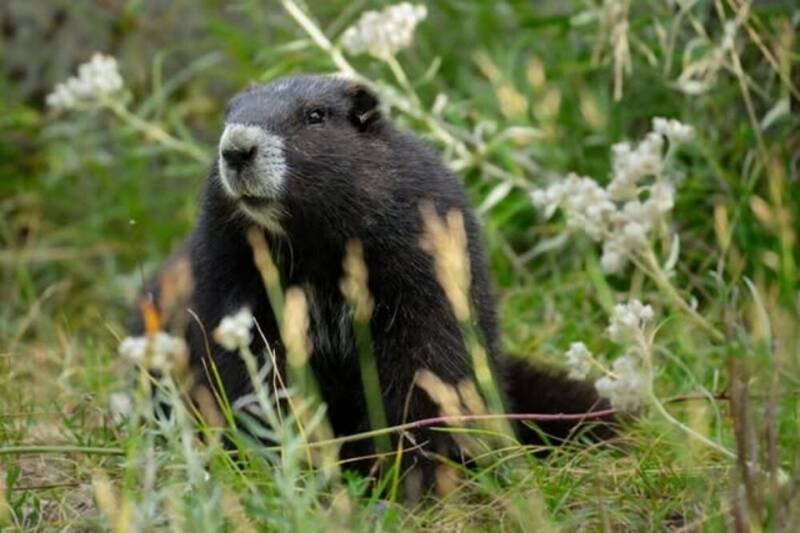
Gob, a Vancouver Island marmot with a unique story, is getting a second chance at life in the wild. This comes after he was released last June but mysteriously reappeared at the Marmot Recovery Centre on Mount Washington in the fall.
A Marmot's Unexpected Return
Last year, Gob was carefully released into his natural habitat as part of ongoing efforts to bolster the population of this critically endangered species. However, instead of embracing his newfound freedom, Gob seemed to miss his old surroundings. He was found loitering near the Recovery Centre, essentially on the "wrong side of the fence" from his marmot buddies.
Finding him back at the center raised concerns. Was he injured? Unable to find food? Simply lonely? Marmot Recovery Centre staff were understandably puzzled but welcomed him back, ensuring his health and safety.
Why This News Matters
The Vancouver Island marmot is one of the most endangered mammals in the world. Conservation efforts, like those carried out at the Marmot Recovery Centre, are crucial for their survival. Each successful release contributes to the overall health and genetic diversity of the wild population. Gob's story, while unusual, highlights the complexities and challenges of wildlife reintroduction programs.
His return initially suggested a potential failure of the release process. However, the decision to give him another try underscores the dedication and adaptive strategies employed by conservationists. This single marmot's journey symbolizes the broader struggle and hope for this endangered species.
Our Analysis
Several factors could have contributed to Gob's initial return to the Recovery Centre. He may have struggled to adapt to finding food and shelter in the wild after a period in captivity. Social dynamics within marmot colonies are also complex, and he may have faced challenges integrating into an existing group. Alternatively, a simple preference for the comfort and familiarity of his previous environment cannot be ruled out. In our opinion, it is a testament to the care he received that he returned to the center as a safe place.
The decision to re-release Gob is a calculated risk. It demonstrates a willingness to learn from past experiences and adapt conservation strategies accordingly. This could impact the long-term success of the marmot recovery program, showing flexibility and a marmot-centered approach.
Future Outlook
Gob's second release will be closely monitored. Researchers will likely track his movements and behavior to gain insights into his adaptation to the wild. This data will be invaluable for refining future release strategies and improving the overall success rate of marmot reintroduction efforts. This could provide critical information about marmot behavior and adaptation.
The long-term outlook for the Vancouver Island marmot remains cautiously optimistic. Continued conservation efforts, including captive breeding programs and habitat protection, are essential for ensuring their survival. Gob's story, whether he thrives or struggles, will contribute to our understanding of these fascinating creatures and the challenges they face.
It's hoped that this time, Gob will embrace his freedom and contribute to the growing population of Vancouver Island marmots. Only time will tell if he's ready for life on the wild side.