Flag Football NCAA: Women Leading the Charge
Explore the rise of women's flag football at the NCAA Power 4 level, featuring stories of pioneering athletes and our expert analysis of the sport's future.



Explore the rise of women's flag football at the NCAA Power 4 level, featuring stories of pioneering athletes and our expert analysis of the sport's future.
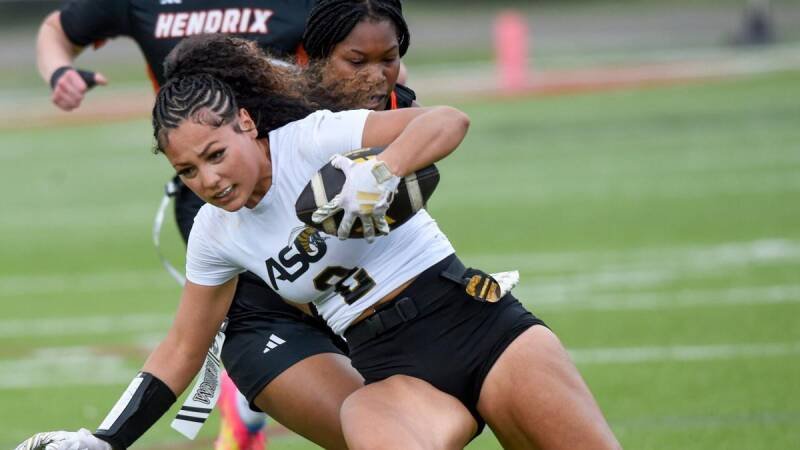
Flag football is surging in popularity, especially among women, and it's starting to make a real impact at the highest levels of collegiate athletics. We're seeing incredible growth in the NCAA Power 4 conferences, with driven athletes like Avery Scott leading the charge. Her story, like many others, highlights the dedication and passion fueling this exciting evolution in sports.
Avery Scott's introduction to flag football was memorable, to say the least! Despite a few bumps in the road (literally!), she quickly became captivated by the sport. Her experience is a testament to the growing appeal and accessibility of flag football for female athletes seeking competitive opportunities.
The expansion of women's flag football within the NCAA Power 4 is significant for several reasons:
In our opinion, the rise of flag football in the NCAA is a long-overdue recognition of the sport's potential. It's a fast-paced, strategic game that requires athleticism, teamwork, and intelligence. It's also more accessible than traditional tackle football, making it an attractive option for schools looking to expand their athletic programs in a cost-effective way.
The story of Avery Scott exemplifies the passion and resilience of these athletes. It's not just about playing a game; it's about building a future for women's flag football. The challenges she's faced, from injuries to the broader fight for recognition, highlight the importance of continued support and investment in this growing sport.
This trend also speaks to a changing landscape in sports where accessibility and inclusivity are becoming increasingly important. Flag football offers a pathway for athletes who might not have had the opportunity to participate in traditional sports due to physical limitations or financial constraints.
The future of women's flag football in the NCAA looks bright. We anticipate seeing continued expansion within the Power 4 conferences and beyond. This could impact college athletic departments looking to add new sports with relatively low startup costs and high potential for growth.
Here's what we expect to see in the coming years:
Ultimately, the dedication of athletes like Avery Scott and the growing support from the NCAA suggest that women's flag football is here to stay and will likely become a significant force in collegiate athletics for years to come.