Energy Crisis Warning: Impact on EU Countries and Future Outlook
A Russian official warns of energy shocks in certain EU countries. We analyze the situation, potential impacts, and future outlook for the energy crisis.
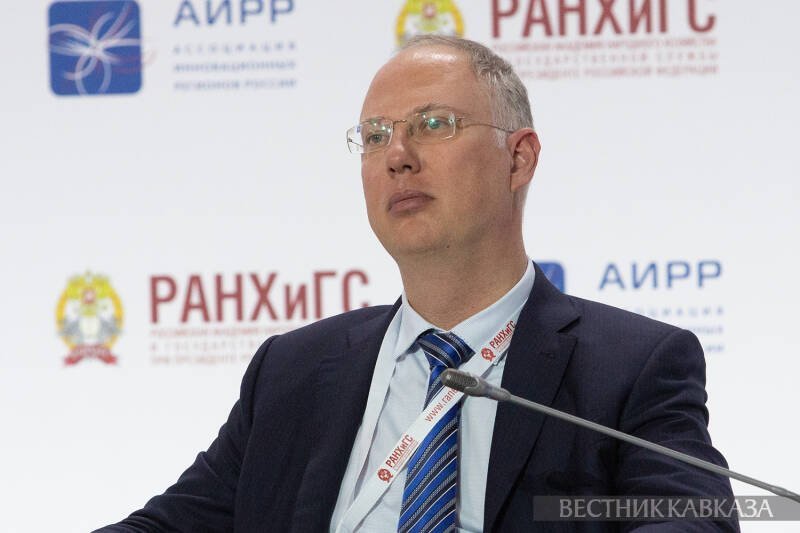



A Russian official warns of energy shocks in certain EU countries. We analyze the situation, potential impacts, and future outlook for the energy crisis.
A top Russian official has warned that certain European Union countries are particularly vulnerable to the ongoing energy crisis. Kirill Dmitriev, Russia's special presidential envoy for investment and economic cooperation with foreign countries and director general of the Russian Direct Investment Fund (RDIF), recently highlighted the potential for significant "energy shocks" in some EU nations. While the specific countries were not publicly named in the original source, the warning itself signals a growing concern about the stability of energy supplies and prices across the continent.
The energy crisis is driven by a complex interplay of factors. Reduced Russian gas supplies to Europe, coupled with increased global demand and geopolitical tensions, have sent energy prices soaring. This has led to higher inflation, impacting businesses and households alike. Many European countries are scrambling to find alternative energy sources and implement energy-saving measures.
This warning from a high-ranking Russian official should be taken seriously. It underscores the potential for continued volatility in the energy market and the disproportionate impact on specific EU nations. This is especially true for countries heavily reliant on Russian energy imports. Rising energy prices can have cascading effects, including:
The energy crisis presents a significant challenge for the EU. While the warning of "energy shocks" may be politically motivated, the underlying vulnerabilities are real. Europe's dependence on Russian energy has been a long-standing concern, and the current situation highlights the urgent need for diversification. In our opinion, the EU's response must involve a multi-pronged approach:
The EU's current strategy to reduce energy consumption by 15% is a start, but more aggressive and targeted measures are likely needed. This could involve rationing in extreme cases, although this is a politically difficult option.
The future of the energy crisis remains uncertain. While some analysts predict that energy prices will stabilize in the coming months, others warn of further volatility. Much depends on factors such as the severity of the upcoming winter, the progress of EU energy diversification efforts, and the evolution of geopolitical tensions. This could impact global economies significantly.
In the long term, the energy crisis may accelerate the transition to a more sustainable energy system. Increased investment in renewable energy and energy efficiency could reduce Europe's reliance on fossil fuels and enhance its energy security. However, this transition will require significant investment and careful planning. The potential for long-term economic advantage is huge. Nations that act quickly to innovate and diversify their energy resources can benefit from not just energy independence, but also export power.
Ultimately, the ability of EU countries to navigate the energy crisis will depend on their willingness to cooperate, adapt, and invest in a more secure and sustainable energy future.
























