Duterte to Face Murder Trial at ICC: What It Means
The International Criminal Court has ordered Rodrigo Duterte to stand trial for murder related to his drug war. Learn why this is important and what the future holds.
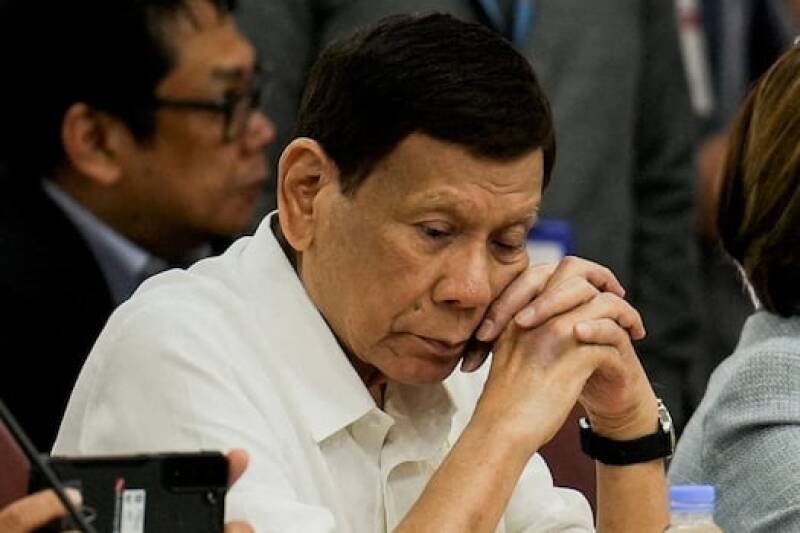



The International Criminal Court has ordered Rodrigo Duterte to stand trial for murder related to his drug war. Learn why this is important and what the future holds.
The International Criminal Court (ICC) has ordered former Philippine President Rodrigo Duterte to stand trial for murder. This decision stems from his administration's "war on drugs," a campaign that resulted in thousands of deaths. The ICC's move marks a significant step towards holding individuals accountable for alleged human rights abuses.
Duterte's "war on drugs," launched upon taking office in 2016, aimed to eliminate illegal drug activity in the Philippines. However, the campaign was widely criticized for its excessive violence and alleged extrajudicial killings. Human rights organizations and international bodies have documented numerous cases where individuals suspected of drug involvement were killed by police or vigilantes without due process. The ICC is investigating these alleged crimes against humanity.
This development is crucial for several reasons:
The ICC's decision to proceed with a trial against Duterte is a bold move. The Philippines withdrew from the ICC in 2019, arguing that the court had no jurisdiction over its affairs. However, the ICC maintains that it has jurisdiction over crimes committed while the Philippines was still a member. This legal challenge will likely be a key aspect of the trial.
In our opinion, the ICC's persistence in pursuing this case demonstrates its commitment to investigating and prosecuting serious international crimes, regardless of the political complexities involved. This could significantly impact international relations and the perception of the ICC's authority.
Duterte's legacy is undeniably controversial. While he enjoyed significant popularity in the Philippines, particularly during the early years of his presidency, his methods and human rights record have drawn widespread condemnation internationally. This trial will force a reckoning with his actions and their consequences.
The road ahead will undoubtedly be challenging. Duterte is likely to resist the ICC's jurisdiction and refuse to cooperate with the investigation. The Philippine government's stance on the ICC will also be crucial. However, even if Duterte refuses to participate directly, the ICC can proceed with the trial in absentia, meaning without his presence.
The trial itself is expected to be lengthy and complex, involving the gathering of evidence, witness testimonies, and legal arguments. The outcome is uncertain, but it could have profound implications for Duterte, the Philippines, and the future of international criminal justice.
This could impact political stability in the Philippines, depending on public reaction and the actions of the current government. The case will also serve as a test of the ICC's ability to effectively investigate and prosecute powerful individuals accused of serious crimes. The international community will be watching closely to see how this unfolds.
























