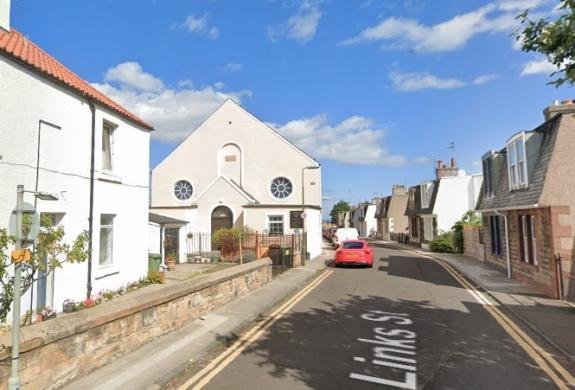
Corner Lot Considerations: Advantages and Disadvantages
Weighing the pros and cons of corner lots in real estate. Explore the advantages and disadvantages to make an informed decision.




Weighing the pros and cons of corner lots in real estate. Explore the advantages and disadvantages to make an informed decision.
Choosing a property involves many factors, including the location and the characteristics of the land itself. A corner lot offers a unique set of considerations for potential buyers. Understanding these advantages and disadvantages is crucial for making an informed decision.
A corner lot is a piece of property situated at the intersection of two streets. This position gives it particular characteristics that differentiate it from interior lots located along a single street. The most prominent difference is increased street frontage.
Corner lots can offer several appealing benefits. These can influence a property's value and desirability.
One of the primary advantages of a corner lot is the increased street frontage. This means the property has more exposure to the surrounding neighborhood. More frontage can improve curb appeal and potentially increase property value.
While it might seem counterintuitive, a corner lot can sometimes offer more privacy. Because it borders two streets, there are fewer adjacent neighbors. This can translate to reduced noise and increased personal space, depending on landscaping and lot layout.
Depending on the surrounding landscape and neighborhood layout, corner lots sometimes offer enhanced views compared to interior lots. The open space along the intersecting street can provide less obstructed sightlines.
Having two street access points can offer advantages for parking and deliveries. It can also provide greater flexibility in designing driveways or entrances. This access can be especially useful for properties with multiple vehicles or businesses operating from home.
Corner lots also have potential drawbacks that buyers must consider. These can impact the livability and maintenance of the property.
Due to its location at an intersection, a corner lot can experience higher traffic volume. This can result in increased noise pollution and potentially more safety concerns, particularly for families with young children or pets.
With increased street frontage comes increased yard maintenance responsibilities. Corner lots typically require more extensive landscaping to maintain along both streets. This can translate to higher costs for lawn care, snow removal, and general upkeep.
While sometimes offering greater privacy, the increased visibility of a corner lot can also reduce privacy. The open exposure to two streets makes the property more visible to passersby, potentially diminishing the sense of seclusion.
Corner lots may be subject to stricter zoning and setback regulations. These rules may limit the placement of structures, fences, or landscaping. These regulations aim to maintain visibility at the intersection and ensure public safety.
In some jurisdictions, corner lots may be assessed at a higher value for property tax purposes due to their perceived advantages or development potential. This can result in increased annual tax obligations.
Ultimately, the suitability of a corner lot depends on individual preferences, lifestyle, and financial circumstances. Carefully weighing the advantages and disadvantages discussed here will help you determine if a corner lot is the right choice for your needs. Consider how you will utilize the property, your tolerance for traffic and maintenance, and your budget before making a decision.