Breathe Easy: How to Improve Your Indoor Air Quality for Better Health
Discover simple tips and expert advice on how to breathe better air indoors and protect your family's health. Learn about common pollutants, effective solutions, and the future of air purification.
Breathe Easy: How to Improve Your Indoor Air Quality for Better Health
We often think of pollution as an outdoor problem, but the air inside our homes and offices can be surprisingly more polluted than the air outside. Invisible pollutants can impact our health, causing everything from allergies and asthma to more serious long-term issues. Let's explore how to breathe better air by understanding the risks and taking simple steps to improve our indoor air quality.
Understanding the Invisible Threat
You can't always see them, but pollutants are constantly circulating in the air we breathe indoors. These can include:
- Particulate matter (PM): Tiny particles from dust, pollen, smoke, and vehicle exhaust.
- Volatile Organic Compounds (VOCs): Released from paints, cleaning products, furniture, and even some building materials.
- Mold and mildew: Thriving in damp environments, releasing spores that can trigger allergic reactions.
- Carbon monoxide (CO): A colorless, odorless gas produced by burning fuel in appliances like furnaces and stoves.
- Radon: A radioactive gas that seeps into homes from the ground.
- Pet dander: Allergens shed by pets.
Simple Steps to Breathe Better Air
Fortunately, improving your indoor air quality doesn't have to be complicated. Here are some practical steps you can take:
- Ventilate your home: Open windows and doors regularly to allow fresh air to circulate. Even a few minutes each day can make a difference.
- Use air purifiers: Look for air purifiers with HEPA filters, which are highly effective at removing particulate matter. Air purifiers with activated carbon filters can also help reduce VOCs.
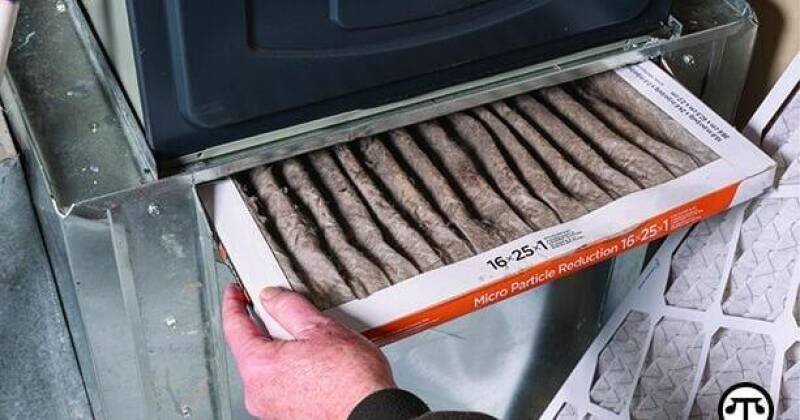
- Maintain your HVAC system: Regularly change your air filters in your furnace and air conditioner. A clogged filter reduces efficiency and can worsen air quality.
- Control humidity: Use a dehumidifier in damp areas like basements to prevent mold growth.
- Choose low-VOC products: Opt for paints, cleaning supplies, and furniture made with low- or zero-VOC materials.
- Test for radon: Radon testing kits are available at most hardware stores. If levels are high, hire a professional to mitigate the problem.
- Clean regularly: Dust and vacuum frequently to remove allergens and particulate matter.
Why This News Matters
The quality of the air we breathe has a direct and significant impact on our health and well-being. Poor indoor air quality can worsen existing respiratory conditions like asthma and allergies, and even contribute to the development of new health problems. By taking proactive steps to improve the air in our homes and workplaces, we can create healthier environments for ourselves and our families. Furthermore, improved air quality can lead to better sleep, increased productivity, and an overall improved quality of life.
Our Analysis
In our opinion, the information provided in this news highlights a critical, yet often overlooked, aspect of health and wellness. While we often focus on diet and exercise, the quality of the air we breathe is equally important. The accessibility of solutions like air purifiers and low-VOC products makes improving indoor air quality achievable for most people. However, the long-term impact of indoor air pollution on public health warrants greater awareness and potentially even stricter regulations on building materials and household products.
The increasing prevalence of allergies and respiratory issues further underscores the importance of addressing indoor air quality. We believe that incorporating air quality monitoring and improvement strategies into routine home maintenance should become the norm. This could impact the demand for air purification technologies and low-VOC products, driving innovation and potentially reducing costs in the long run.
Future Outlook
The future of indoor air quality will likely be shaped by technological advancements and increased awareness. We can expect to see more sophisticated air purifiers with advanced sensors and smart features that automatically adjust to changing air quality conditions. Furthermore, the development of new building materials and household products with even lower VOC emissions will contribute to healthier indoor environments. It's also possible we see more widespread adoption of indoor air quality monitoring systems, providing real-time data to homeowners and allowing them to make informed decisions about ventilation and air purification.
However, realizing a future of clean indoor air requires continued research, education, and policy changes. We need to better understand the long-term health effects of indoor air pollution and develop more effective strategies for mitigation. This will require collaboration between scientists, policymakers, and the public to create a healthier and more sustainable future for all.