Beef Cattle Market Forecast: Positive Outlook for 2026 and Beyond
Experts predict a continued positive trend for the beef cattle industry through 2026. Discover the reasons behind this forecast, potential impacts, and what it means for consumers and producers.
Beef Cattle Industry Outlook Remains Strong Through 2026
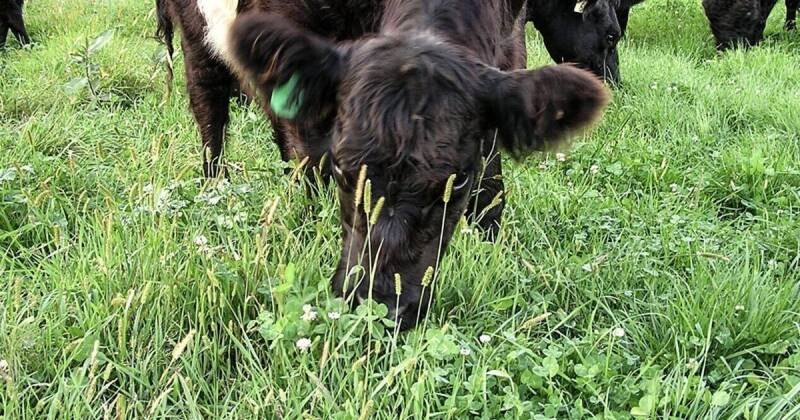
The beef cattle industry is currently enjoying a period of favorable conditions, and forecasts suggest this trend will likely continue into 2026. A confluence of factors, primarily relating to supply and demand, are contributing to this positive outlook.
Understanding the Supply and Demand Dynamics
For several months, a specific balance between the supply of beef and the demand for it has been developing, creating a "perfect storm" for producers. Essentially, the demand for beef is high, while the supply of cattle available is relatively limited. This imbalance naturally drives prices upward, benefiting cattle ranchers.
Why This News Matters
This news has wide-ranging implications for everyone from cattle ranchers to everyday consumers:
- For Cattle Ranchers: A positive outlook means potentially higher profits. Ranchers can expect to receive more money for their cattle, incentivizing investment in their operations.
- For Consumers: While ranchers benefit, consumers might see higher beef prices at the grocery store and in restaurants. Understanding the factors driving these prices helps consumers make informed purchasing decisions.
- For the Overall Economy: The beef cattle industry is a significant part of the agricultural sector. A healthy industry contributes to overall economic stability and job creation in rural communities.
Our Analysis
In our opinion, the limited cattle supply is a key driver behind the positive forecast. Several factors contribute to this constrained supply, including:
- Drought Conditions: Years of drought in key cattle-producing regions have forced ranchers to reduce their herds due to limited grazing land and water availability.
- Increased Input Costs: Rising costs for feed, fuel, and fertilizer have made it more expensive to raise cattle, leading to some producers scaling back their operations.
- Breeding Cycles: The natural breeding cycle of cattle means it takes time to increase the supply, even when demand is high. It's not like flipping a switch; herd sizes need time to rebuild.
On the demand side, consumer appetite for beef remains strong, despite inflationary pressures on household budgets. This resilience in demand is likely due to a combination of factors, including:
- Cultural Preferences: Beef remains a popular protein choice in many cultures.
- Economic Factors: While prices have increased, beef is still viewed as a desirable food item by a significant portion of the population.
- Seasonal Demand: Seasonal factors such as grilling season and holidays also tend to boost beef demand.
This combination of reduced supply and strong demand has created a favorable environment for cattle producers. This could impact decisions on herd expansion and investment in improved ranching practices.
Future Outlook
Looking beyond 2026, the future of the beef cattle industry will depend on several factors. Continued drought conditions could further constrain supply and drive prices even higher. Changes in consumer preferences and dietary habits could also impact demand.
Here are some key factors to watch:
- Weather Patterns: Monitoring rainfall and temperature trends in cattle-producing regions is crucial.
- Government Policies: Changes in trade agreements or environmental regulations could impact the industry.
- Technological Advancements: New technologies in cattle breeding, feeding, and management could improve efficiency and increase supply over the long term.
- Alternative Protein Sources: The rise of plant-based and lab-grown meat alternatives could potentially affect beef demand in the future, although the short-term impact is likely to be limited.
While the forecast for 2026 is positive, the beef cattle industry is subject to inherent volatility. Ranchers need to carefully manage their operations and adapt to changing market conditions. Staying informed about market trends, weather patterns, and technological advancements is essential for long-term success in this dynamic industry. We believe that while some volatility is inevitable, the underlying supply/demand balance suggests continued profitability for cattle producers, even if prices experience some fluctuation.