BC Transit Changes Alert System: What Riders Need to Know
BC Transit is changing its alert system. Learn how to stay informed about bus delays and disruptions, and how this impacts your commute.
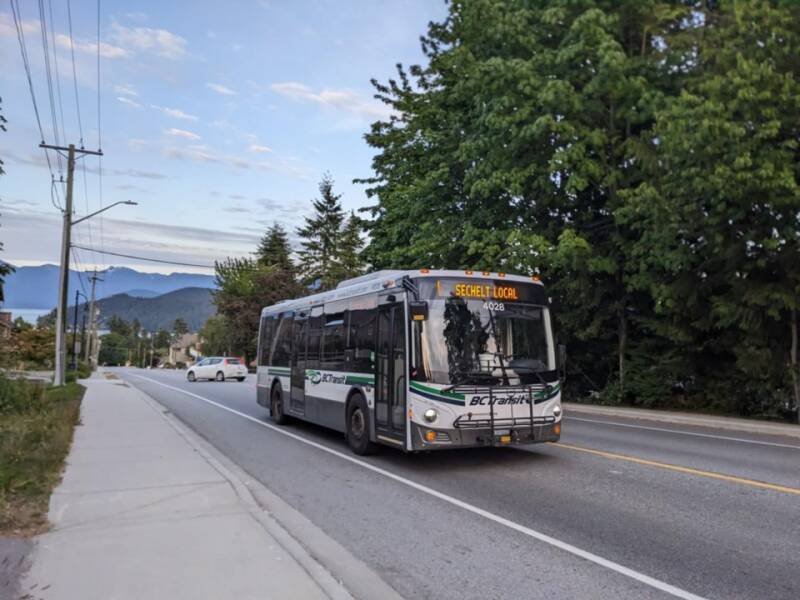



BC Transit is changing its alert system. Learn how to stay informed about bus delays and disruptions, and how this impacts your commute.
BC Transit is making changes to how it delivers alerts to riders. Instead of relying on a dedicated alert system, they're encouraging customers to use the Umo app, Google Transit, or other similar applications, or to check the BC Transit website for real-time bus tracking and travel planning.
Essentially, BC Transit is consolidating its alert system into existing, more comprehensive platforms. This means that instead of getting direct notifications from BC Transit's own system, riders will need to actively check for updates through approved third-party apps or the website.
For example, if your bus is running late due to traffic, the Umo app, Google Transit, or the BC Transit website should reflect that delay in real-time. This shift aims to provide riders with a more integrated and potentially more detailed view of the transit system.
This change impacts all BC Transit riders who rely on timely alerts for their daily commutes and travel plans. If you were previously receiving direct notifications about delays, route changes, or other disruptions, you will need to adapt your methods to stay informed. This could be a significant change for those who aren't tech-savvy or who prefer the simplicity of a direct alert system.
Staying updated is crucial to avoid being stranded at a bus stop or missing appointments. Familiarizing yourself with the Umo app, Google Transit, or the BC Transit website is now essential for navigating the transit system effectively.
In our opinion, this shift towards a more integrated alert system has both pros and cons. On the one hand, relying on existing apps like Umo and Google Transit allows riders to access a wider range of information, including real-time tracking, route planning, and service alerts all in one place. This could lead to a more efficient and informed transit experience.
However, the downside is that it places the onus on riders to actively seek out information. Some may find it inconvenient to constantly check apps or websites, especially during busy commutes. Furthermore, this change could disproportionately affect those who are less familiar with technology or who lack reliable internet access. BC Transit should focus on supporting these demographics through dedicated training and clear communication.
This could impact riders who were used to passively receiving notifications. Now, riders must actively check the app or website for updates.
Moving forward, we anticipate that BC Transit will continue to refine its partnerships with app developers and improve the accuracy and reliability of its real-time tracking data. The success of this new alert system will depend on how effectively BC Transit communicates these changes to its riders and provides adequate support for those who need assistance transitioning to the new system.
Here are a few things to consider in the future:
Ultimately, the transition to this new alert system represents a shift towards a more digitally driven approach to public transportation. While it offers the potential for a more informed and efficient rider experience, its success will hinge on careful implementation, clear communication, and a commitment to ensuring that all riders have access to the information they need to navigate the transit system effectively.