Bangladesh Garment Industry Seeks Land for Solar Power: A Renewable Energy Push
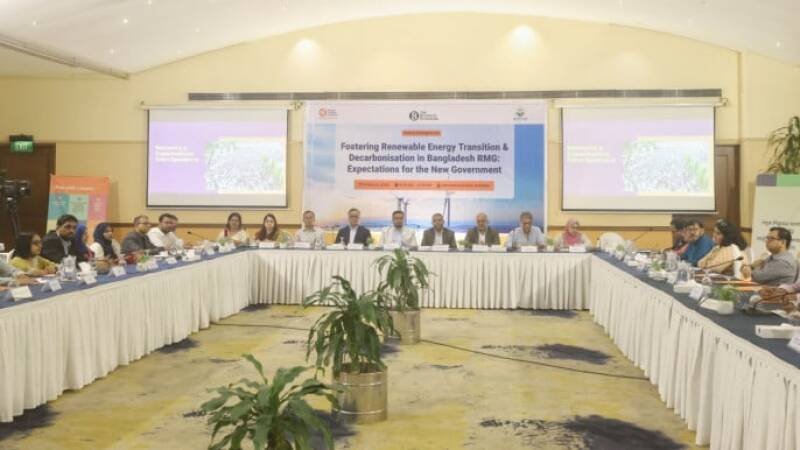
RMG leaders in Bangladesh are urging the government to allocate land for "Solar Zones," aiming to accelerate the transition to renewable energy and reduce reliance on traditional power sources.
Bangladesh Garment Industry Seeks Land for Solar Power: A Renewable Energy Push
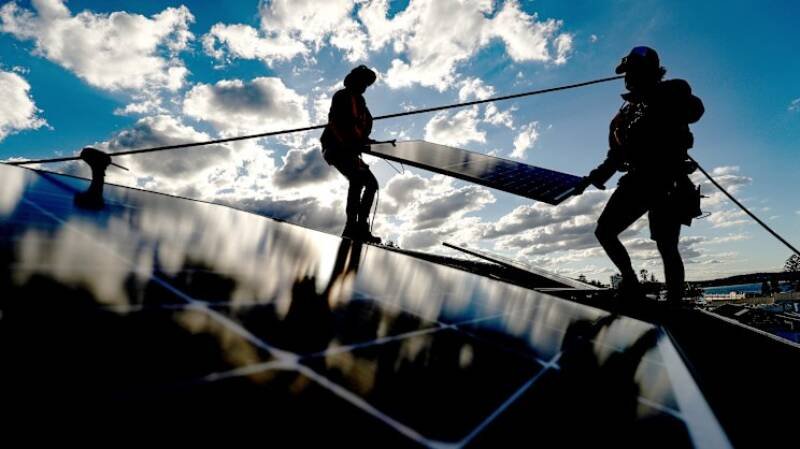
The ready-made garment (RMG) sector in Bangladesh, a powerhouse of the nation's economy, is making a significant push towards sustainability. Leaders within the industry are actively requesting government support in the form of land allocation to establish dedicated "Solar Zones." This initiative aims to rapidly accelerate the adoption of renewable energy sources, primarily solar power, within the sector.
The Proposal: "Solar Zones" for Sustainable Manufacturing
RMG exporters have expressed their readiness to invest heavily in these "Solar Zones," provided the government facilitates the availability of suitable land. The idea is to create concentrated areas where solar power generation is maximized, directly benefiting garment factories and reducing their reliance on the traditional, often fossil-fuel-dependent, power grid.
Why This News Matters
This news is significant for several reasons:
- Environmental Sustainability: The RMG sector is a major energy consumer. Transitioning to solar power will drastically reduce its carbon footprint, contributing to Bangladesh's climate goals.
- Economic Benefits: Reducing reliance on imported fossil fuels can lead to cost savings for garment factories, boosting their competitiveness in the global market.
- Enhanced Image: Embracing green energy enhances the image of the Bangladeshi RMG industry, attracting environmentally conscious buyers and brands.
- Long-Term Energy Security: Solar power provides a more stable and predictable energy source compared to fluctuating fossil fuel prices.
Our Analysis
In our opinion, this is a crucial step forward for the Bangladeshi RMG industry. The sector faces increasing pressure from international buyers to demonstrate sustainable practices. The establishment of Solar Zones provides a tangible solution to reduce its environmental impact and meet these demands.
However, the success of this initiative hinges on the government's willingness and ability to provide suitable land in a timely manner. Bureaucratic hurdles and land acquisition challenges could potentially delay or derail the project. Furthermore, careful planning is needed to ensure efficient grid integration and effective management of the solar power generated.
The RMG sector is ready to make substantial investments, indicating a strong commitment to renewable energy. This is a welcome sign and should be actively supported by policymakers.
Potential Challenges
- Land Acquisition: Finding suitable land that is both accessible and appropriate for solar farm development can be a significant hurdle.
- Grid Integration: Integrating large-scale solar power into the existing grid infrastructure requires upgrades and careful planning.
- Financing: While the RMG sector is willing to invest, access to affordable financing for solar projects remains crucial, especially for smaller factories.
Future Outlook
The future of the RMG sector's transition to renewable energy looks promising, but it requires concerted efforts from all stakeholders. Government support in the form of policy incentives, streamlined land allocation processes, and infrastructure development is essential.
This could impact Bangladesh's overall energy mix, potentially reducing its dependence on fossil fuels and contributing to a more sustainable and resilient economy. In our opinion, this initiative could set a precedent for other industries in Bangladesh to follow suit, accelerating the country's transition to a greener future.
We anticipate seeing increased investment in solar technology within the RMG sector in the coming years, leading to a significant reduction in carbon emissions and enhanced competitiveness in the global market. The success of the Solar Zones will likely serve as a model for other industries in Bangladesh, driving further adoption of renewable energy across the country.
Next Steps
- The government needs to expedite the land allocation process and provide clear guidelines for establishing Solar Zones.
- The RMG sector should collaborate with energy experts to develop efficient and cost-effective solar power solutions.
- Financial institutions should offer tailored financing options to support solar energy projects within the RMG industry.