Australian Lamb: A Sustainable Story From Paddock to Plate in the Philippines
Explore how Australian lamb is making waves in the Philippine dining scene, emphasizing sustainability, traceability, and responsible gastronomy. Discover why this mindful approach matters.
Australian Lamb Campaign Highlights Sustainability in Philippine Dining
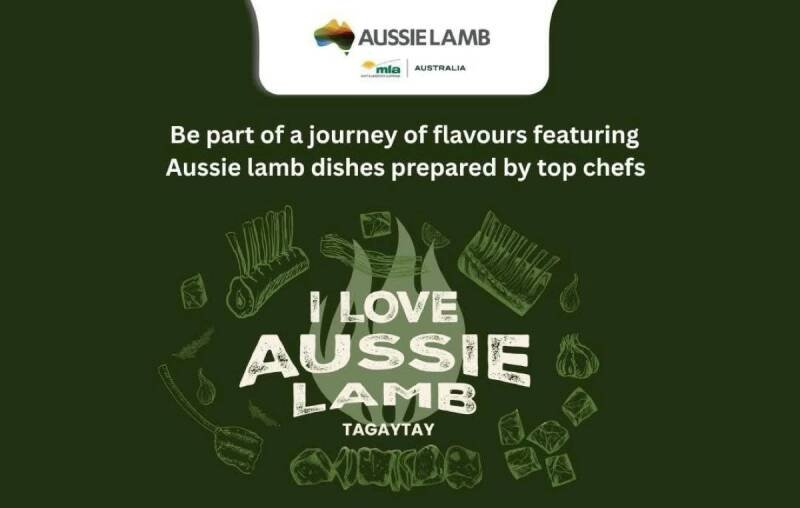
Meat & Livestock Australia recently showcased its Australian lamb campaign in Tagaytay, Philippines, focusing on sustainability and responsible production. This isn't just about putting lamb on plates; it's about placing sustainability at the center of the story, a message that's resonating with today's increasingly conscious diners.
The Evolving Philippine Dining Scene
The Philippine dining scene has evolved beyond just flavor. Consumers now want to know the origin of their food, how it was raised, and the systems behind it. Flavor still matters, but so does the environmental footprint. This demand for transparency and accountability has created an opportunity for brands like Meat & Livestock Australia to shine.
Sustainability: From Abstraction to Measurable Action
Sustainability is no longer just a buzzword. It requires measurable tools and data to ensure efficient resource management and build resilience against climate variability. Meat & Livestock Australia's approach reflects this, positioning itself not just as a provider of premium produce, but as part of a supply chain driven by environmental accountability.
Tagaytay's Culinary Exploration of Lamb
The campaign included stops at several Tagaytay restaurants, including Taza at Taal Vista Hotel and Asador Dos Mestizos, where chefs presented diverse interpretations of lamb within a fine dining setting. One standout dish featured lamb seasoned simply with salt, pepper, and olive oil, highlighting the clarity of flavor and mirroring the philosophy of sustainability: less excess, more intention.
Why This News Matters
This news is significant because it demonstrates a shift in consumer priorities and the food industry's response. Diners are increasingly demanding transparency and sustainability, pushing producers and restaurants to adopt more responsible practices. This campaign highlights how Australian lamb is meeting this demand by focusing on traceability, regenerative grazing, and carbon neutrality.
Our Analysis
Traceability: A Cornerstone of Trust
Australian lamb offers an impressive level of traceability, allowing consumers to trace the product back to the specific paddock where it was raised. In our opinion, this level of detail is crucial for building trust and demonstrating accountability. In an era defined by transparency, knowing the origin of your food is paramount.
Regenerative Grazing and Carbon Neutrality
Producers in Western Australia are adopting regenerative grazing practices to improve soil health, biodiversity, and long-term pasture productivity. The Australian red meat industry's commitment to achieving carbon neutrality by 2030 is a bold step towards reducing its environmental impact. This could impact consumer perception and potentially increase demand for sustainably produced lamb.
Chef Collaboration and Whole-Animal Utilization
Participating chefs took a hands-on approach, working with the lamb and mastering the cuts. This demonstrates that responsible dining can also be inventive. Whole-animal utilization reduces waste, elevates lesser-known cuts, and reframes luxury as responsibility. In our opinion, this approach should be celebrated and encouraged across the industry.
Future Outlook
The future of the food industry hinges on sustainability and transparency. As consumers become more informed and demand greater accountability, producers who prioritize these values will thrive. The Australian lamb campaign sets a precedent for how to effectively communicate sustainability efforts and build trust with consumers.
Continuing the Conversation
The conversation around sustainability remains complex, but the efforts towards measurable targets are critical. From farm to export, cold chain logistics preserve quality, while documentation reinforces accountability. The journey of Australian lamb to Tagaytay kitchens has been meticulously mapped, demonstrating that sustainability is not just a garnish but the groundwork. This could impact other sectors of the food industry, encouraging similar levels of commitment.
Empowering Diners
Diners are becoming increasingly empowered to ask questions about the origin and management of their food. The success of the Australian lamb campaign demonstrates that premium quality and accountability are no longer mutually exclusive. In the future, we anticipate that consumers will continue to drive demand for sustainably produced food, rewarding businesses that prioritize responsible practices.