Ancient Silver Coin Discovery Sheds Light on Doomed Spanish Colony in Strait of Magellan
A 16th-century silver coin found near the Strait of Magellan reveals new details about a failed Spanish colony and the challenges of early exploration.
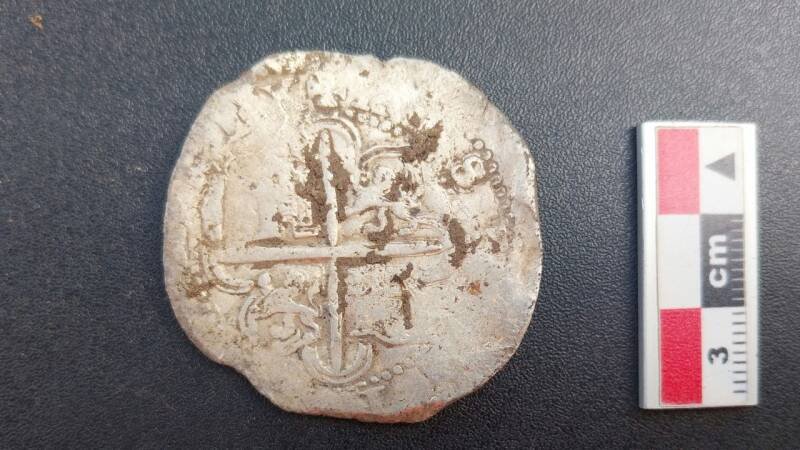



A 16th-century silver coin found near the Strait of Magellan reveals new details about a failed Spanish colony and the challenges of early exploration.
Imagine holding a piece of history in your hand – a small, silver coin that witnessed the hopes and hardships of explorers centuries ago. Recently, archaeologists unearthed a 16th-century silver coin near the Strait of Magellan. This fascinating discovery offers a glimpse into the short-lived and ultimately tragic story of a Spanish colony established in this remote region of southern Chile.
The coin dates back to 1584, the very year the Spanish established a settlement in the area. This colony, intended to secure Spain's claim to the strategically vital Strait of Magellan, faced unimaginable challenges. Harsh weather, disease, and conflict with indigenous populations led to its abandonment and the demise of many colonists. The coin, therefore, isn't just a piece of currency; it's a silent testament to a grand ambition that crumbled under the weight of reality.
This discovery is significant for several reasons. Firstly, it provides physical evidence confirming the exact location and timeline of this historically important but poorly documented colony. Secondly, it allows researchers to better understand the lives of the colonists, their economic activities (even limited), and the challenges they faced in this remote and unforgiving environment. Finally, it underscores the ambition and risks associated with early European exploration and colonization efforts in the Americas.
The finding of this coin offers a poignant reminder of the human cost of exploration. It speaks to the ambition of the Spanish Empire, driven by the desire for wealth, power, and control over vital trade routes. However, it also highlights the often-brutal realities faced by those who ventured into uncharted territories, far from home and facing extreme conditions. In our opinion, this single coin represents not only a financial transaction but also a symbolic investment that failed to yield the anticipated returns.
The fact that such a seemingly small item has survived for centuries is remarkable. It speaks to the durability of silver and the conditions in which it was buried. More importantly, it suggests the potential for further archaeological discoveries in the area that could reveal even more about the colonists’ lives and the reasons for their ultimate failure.
This discovery is likely to spur further archaeological investigations in the Strait of Magellan region. Future expeditions could uncover more artifacts, remains of structures, and other evidence that would allow researchers to reconstruct a more complete picture of the doomed Spanish colony. This could impact how we understand the early history of South America, the strategies employed by European colonial powers, and the interactions between colonists and indigenous peoples.
Here are potential areas of future research:
Ultimately, the discovery of this silver coin is more than just an archaeological find; it's a gateway to understanding a pivotal moment in history. It reminds us of the risks and rewards of exploration, the resilience of the human spirit, and the importance of preserving our shared past.
























