Alligator Attack at Disney World: Tragedy and Safety Concerns
A two-year-old boy was tragically killed by an alligator at Disney World. This article explores the incident, its implications for safety, and what the future may hold for the resort.
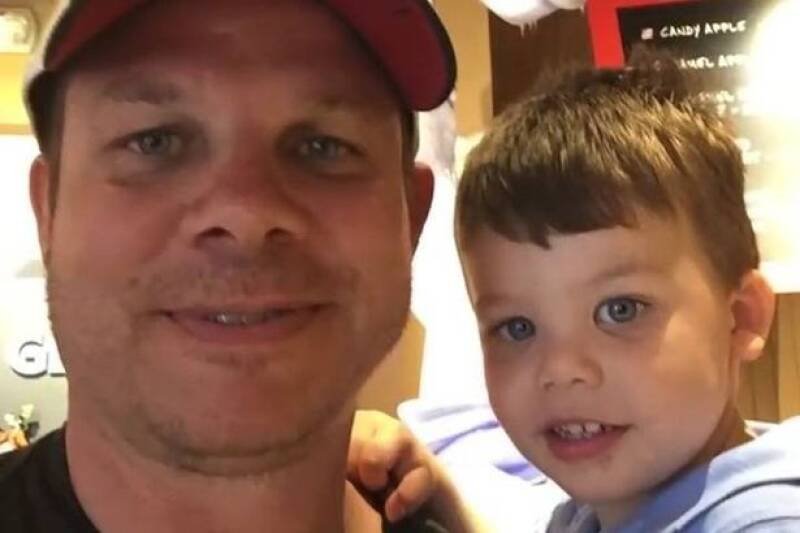



A two-year-old boy was tragically killed by an alligator at Disney World. This article explores the incident, its implications for safety, and what the future may hold for the resort.
In a devastating incident that shocked the nation, a two-year-old boy, Lane Graves, was fatally attacked by an alligator at Disney World in Orlando, Florida. The tragic event occurred at the Seven Seas Lagoon, a man-made lake near the Grand Floridian Resort & Spa, one of Disney's luxury hotels.
According to reports, the Graves family, visiting from Nebraska, was relaxing by the water's edge when the alligator emerged and snatched Lane. Despite the heroic efforts of the boy's father to wrestle his son from the alligator's grasp, he was unsuccessful. A subsequent search and rescue operation led to the recovery of Lane's body from the lagoon's depths.
The Seven Seas Lagoon, while seemingly picturesque, is connected to a network of canals and waterways that allow alligators to move freely between various Disney properties. While "No Swimming" signs were present, there were no explicit warnings about alligators in the area.
This tragedy raises serious questions about safety protocols at Disney World and other similar resorts located in areas with significant wildlife populations. It highlights the potential dangers that can exist even in seemingly controlled environments and underscores the importance of clear and comprehensive warnings to protect visitors.
Beyond the immediate grief and loss for the Graves family, this incident has broader implications for the tourism industry in Florida and other states where alligators are prevalent. It forces a critical examination of how these resorts balance the aesthetic appeal of natural surroundings with the paramount need to ensure guest safety.
In our opinion, while Disney World takes numerous precautions to maintain a safe environment, this incident suggests a potential gap in their alligator management strategy. The absence of specific alligator warnings in an area known to be accessible to these creatures is concerning. While the 'No Swimming' signs are present, they are not necessarily indicative of the threat posed by alligators, particularly to young children playing near the water's edge.
This event also highlights the inherent risks of coexisting with wildlife. Florida, in particular, is a state where alligators are a natural part of the ecosystem, and encounters, while often avoidable, can occur. It is crucial for both residents and tourists to be aware of the potential dangers and to take appropriate precautions.
Following the incident, the Graves family could have pursued legal action against Disney, alleging negligence in failing to adequately protect their son. However, the family decided not to proceed with a lawsuit. It is vital to note that even in the absence of litigation, this event served as a catalyst for significant safety improvements at Disney World.
This tragic event led to immediate changes at Disney World. The resort implemented a comprehensive alligator management plan, which included increased signage warning of alligators, the installation of barriers to prevent access to waterways, and the removal of alligators from the property.
This could impact not only Disney World but also other resorts and recreational areas in Florida and beyond. We anticipate increased scrutiny of safety measures and a greater emphasis on wildlife awareness and education for both staff and visitors.
Ultimately, the legacy of this tragedy should be a renewed commitment to safety and a deeper understanding of the risks associated with coexisting with wildlife. By learning from this devastating event, we can work to prevent similar incidents from occurring in the future and ensure that families can enjoy their vacations with greater peace of mind.
























