AEPCO's Apache II Solar Project: A Win for Renewable Energy in Arizona
AEPCO completes its massive Apache II Solar and Battery project, powering Arizona with clean energy. Learn about the project, its impact, and what it means for the future of renewable energy.
AEPCO Celebrates Launch of Apache II Solar and Battery Project: Powering Arizona's Future
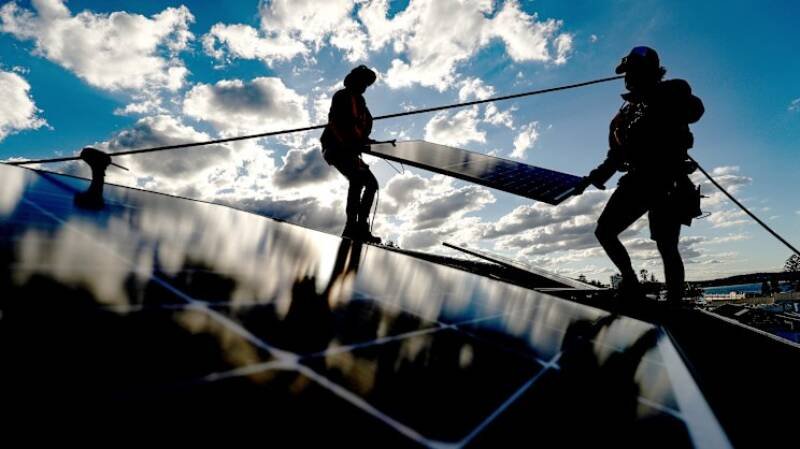
Arizona Electric Power Cooperative (AEPCO) recently celebrated the completion of its impressive Apache II Solar Field project in Cochise County. The project, boasting a massive 295MW electricity generation capacity, marks a significant step forward in Arizona's commitment to renewable energy. The ribbon-cutting ceremony brought together AEPCO members, industry leaders, and community representatives to celebrate this landmark achievement.
The Apache II project isn't just about generating electricity; it's about generating clean, sustainable electricity. By harnessing the power of the Arizona sun, AEPCO is reducing its reliance on fossil fuels and contributing to a cleaner environment. The integration of battery storage technology alongside the solar field further enhances the project's value. This storage capability allows for the capture of excess solar energy during peak production times, which can then be released during periods of high demand or when solar energy is unavailable (such as at night).
Adding a touch of community spirit to the celebration, AEPCO presented a $20,000 donation to the Willcox Food Pantry at the ribbon-cutting ceremony. This generous donation underscores AEPCO's commitment not only to providing clean energy but also to supporting the communities it serves.
Why This News Matters
The completion of the Apache II Solar and Battery project is important for several reasons:
- Renewable Energy Growth: It represents a significant expansion of renewable energy capacity in Arizona, contributing to the state's overall clean energy goals.
- Grid Stability: The integration of battery storage enhances grid stability by providing a reliable source of power even when solar generation fluctuates.
- Economic Benefits: The project likely created jobs during construction and operation and will contribute to the local economy through tax revenue and other channels.
- Environmental Impact: Reducing reliance on fossil fuels means lower greenhouse gas emissions and improved air quality.
- Community Support: The donation to the Willcox Food Pantry highlights the positive social impact of responsible energy development.
Our Analysis
In our opinion, the Apache II project is a strong example of a successful renewable energy initiative. AEPCO's investment in both solar generation and battery storage showcases a forward-thinking approach to energy production. The combination of these technologies offers a more reliable and sustainable energy solution compared to solar alone. The ability to store excess energy and dispatch it when needed is crucial for integrating large amounts of renewable energy into the grid.
Furthermore, AEPCO's commitment to community support, exemplified by the donation to the Willcox Food Pantry, demonstrates corporate social responsibility. This type of engagement helps build trust and fosters positive relationships with the communities impacted by energy projects. This project will not only supply clean power but will also lead to improved brand perception for AEPCO.
Future Outlook
The success of the Apache II project could encourage further investment in renewable energy and battery storage across Arizona and the Southwest. As the cost of these technologies continues to decline, we can expect to see more utilities adopting similar approaches. This could impact the energy landscape, leading to a cleaner, more reliable, and more sustainable energy future.
Potential Developments
- Increased Renewable Energy Adoption: Successful projects like Apache II demonstrate the viability of renewable energy and could spur further adoption by other utilities and businesses.
- Advancements in Battery Technology: The increasing demand for energy storage will likely drive innovation and advancements in battery technology, leading to improved performance and lower costs.
- Policy and Regulatory Support: Supportive policies and regulations from state and federal governments can accelerate the transition to a cleaner energy system.
- Community Engagement: Continued engagement with local communities is crucial for ensuring that renewable energy projects are developed responsibly and provide meaningful benefits to the people they serve.
Ultimately, projects like the Apache II Solar and Battery project are vital components in the ongoing transition towards a sustainable energy future. By combining innovative technologies with a commitment to community support, AEPCO is paving the way for a cleaner, more resilient, and more equitable energy system. This type of project helps solidify the case for renewable energy and the adoption of a green economy.