5 Bears Die at BC Wildlife Rescue: Understanding the Impact and Future
Five bears died at the Northern Lights Wildlife Society in BC. Explore the reasons, implications, and future for wildlife rescues in British Columbia.
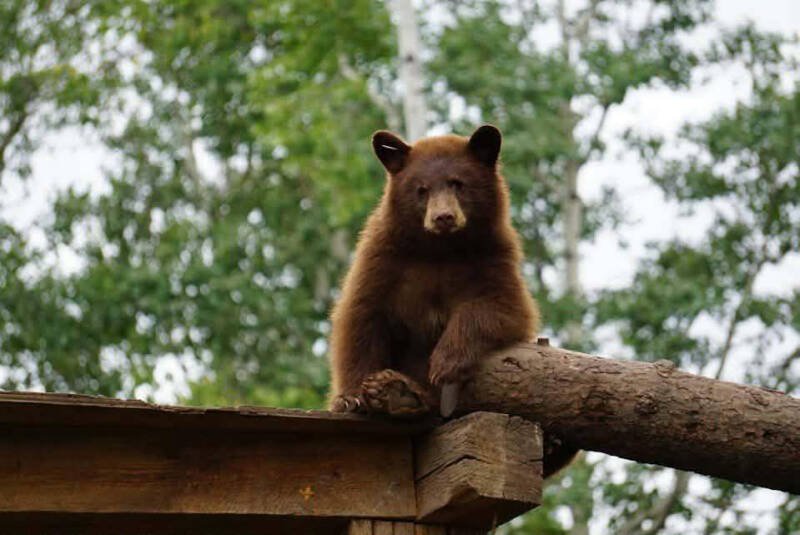



Five bears died at the Northern Lights Wildlife Society in BC. Explore the reasons, implications, and future for wildlife rescues in British Columbia.
The Northern Lights Wildlife Society in British Columbia has reported the unfortunate deaths of five bears from different regions of the province. The bears hailed from Vernon, Trail, and Dawson Creek, raising concerns about the state of wildlife rehabilitation and the challenges faced by rescue organizations.
While details surrounding the exact causes of death are still emerging, the news highlights the inherent difficulties in caring for injured or orphaned wildlife. Wildlife rescue centers like Northern Lights play a vital role in rehabilitating animals and, ideally, returning them to their natural habitats.
These centers often deal with animals suffering from a variety of issues, including injuries sustained from vehicle collisions, encounters with humans, or abandonment. The rehabilitation process can be lengthy and complex, requiring specialized care and resources.
The death of these five bears is significant for several reasons:
In our opinion, this incident is a stark reminder of the delicate balance between human activity and wildlife conservation. While the Northern Lights Wildlife Society undoubtedly works tirelessly to care for these animals, external factors like habitat loss and human-wildlife conflict likely contribute to the increasing need for rescue services.
It's crucial to investigate the causes of these deaths thoroughly. Was it due to pre-existing conditions, complications during rehabilitation, or perhaps even an outbreak of disease? Understanding the root causes will allow for better protocols and preventative measures to be implemented.
This could impact the perceived effectiveness of wildlife rehabilitation programs. A thorough and transparent investigation is needed to maintain public trust and ensure continued support for these essential organizations. We believe that highlighting the dedication of the rescue workers even amidst this tragedy is crucial.
The future of wildlife rehabilitation in British Columbia depends on several factors:
Looking ahead, it's essential to learn from this tragedy. By investing in research, improving care protocols, and fostering greater public awareness, we can work towards a future where wildlife has a better chance of survival. This includes supporting the incredible work of organizations like the Northern Lights Wildlife Society and advocating for policies that protect our province's diverse and vulnerable wildlife. We must remember that every animal life matters, and our actions today will shape the future of British Columbia's ecosystems.
























