Neuroinclusive Design: Creating Homes for Every Mind
Discover neuroinclusive design: how it benefits everyone, especially those with ADHD and autism, creating comfortable and functional homes. Learn about its benefits, our analysis, and the future.
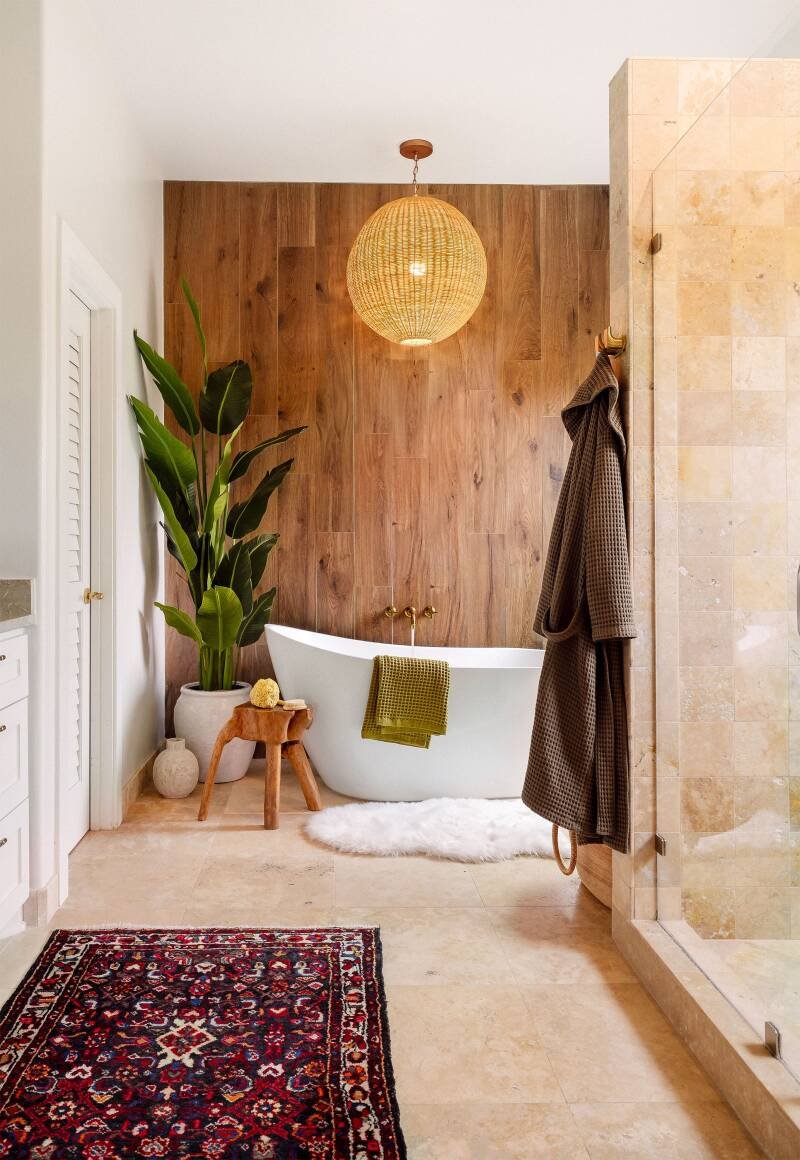



Discover neuroinclusive design: how it benefits everyone, especially those with ADHD and autism, creating comfortable and functional homes. Learn about its benefits, our analysis, and the future.
Neuroinclusive design is a modern approach to interior design that focuses on creating spaces that are comfortable, functional, and accessible for people with a wide range of neurological differences. This includes individuals with conditions like ADHD, autism, sensory processing disorders, and learning disabilities. It goes beyond traditional accessibility by considering the specific sensory and cognitive needs of neurodivergent individuals.
Think of it as designing with every type of brain in mind. Instead of assuming everyone experiences and processes information the same way, neuroinclusive design actively incorporates diverse needs. It acknowledges that what might be calming and helpful for one person could be overwhelming for another.
Neuroinclusive design considers several crucial elements to create comfortable and supportive environments:
The increasing awareness of neurodiversity is driving the demand for more inclusive design solutions. Many homes unintentionally create barriers for individuals with sensory sensitivities or cognitive differences. Neuroinclusive design actively addresses these barriers, creating spaces that support well-being, productivity, and overall quality of life. This is not just about helping those with specific conditions; it's about creating better, more comfortable homes for everyone.
Families with neurodivergent members often face significant challenges in finding suitable housing. Neuroinclusive design offers a pathway to create environments where everyone feels safe, supported, and able to thrive. By integrating these principles into home design, we can reduce stress, improve focus, and enhance the overall living experience.
In our opinion, the rise of neuroinclusive design is a positive step toward creating more equitable and supportive environments. The traditional "one-size-fits-all" approach to interior design often overlooks the diverse needs of the population. By prioritizing sensory and cognitive accessibility, neuroinclusive design benefits not only neurodivergent individuals but also anyone who appreciates calm, organized, and comfortable spaces. This could impact how new homes are built and how existing homes are renovated.
We believe that understanding and implementing these principles is crucial for designers, architects, and homeowners alike. A well-designed neuroinclusive space can promote independence, reduce anxiety, and improve overall well-being for all occupants. Ignoring these principles can lead to decreased well-being for those with particular sensitivities or cognitive differences.
The future of home design will likely see a greater emphasis on neuroinclusive principles. As awareness of neurodiversity continues to grow, we anticipate increased demand for designers and architects with expertise in creating accessible and supportive environments. Expect to see more building materials and technologies designed specifically to address sensory sensitivities. This will include lighting systems that minimize flicker, soundproofing solutions that reduce noise pollution, and tactile materials that provide comfort and sensory feedback.
Furthermore, the integration of smart home technology could play a significant role in personalizing and adapting environments to individual needs. Voice-activated controls, automated lighting systems, and personalized temperature settings can all contribute to creating a more comfortable and supportive living space. Education will be key, increasing general awareness of neurodiversity, and providing resources for professionals to learn and implement neuroinclusive design practices.
Ultimately, neuroinclusive design represents a shift toward a more human-centered approach to creating living spaces. By prioritizing the needs of all individuals, we can build homes that truly support the well-being and happiness of everyone who lives there.
























