Westlock Food Bank Overwhelmed: A Sign of the Times?
The Westlock Food Bank is facing unprecedented demand as rising living costs push more families into food insecurity. Learn about the crisis, its causes, and what it means for the future.



The Westlock Food Bank is facing unprecedented demand as rising living costs push more families into food insecurity. Learn about the crisis, its causes, and what it means for the future.
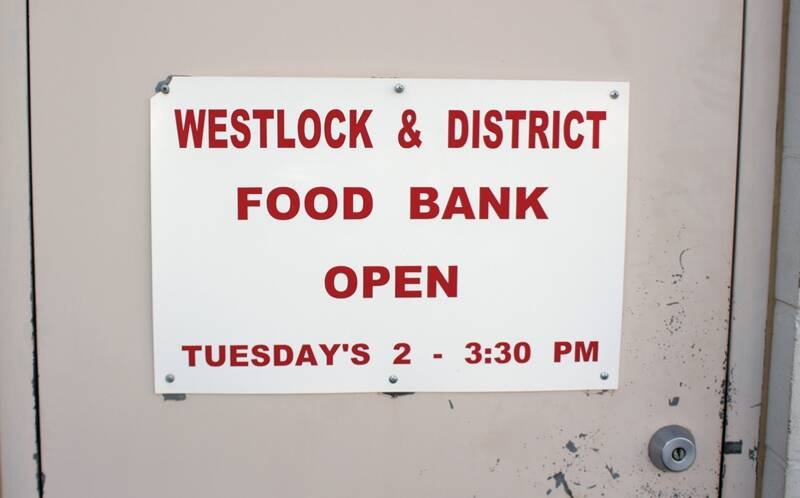
The Westlock Food Bank is experiencing a significant surge in demand, serving nearly 700 more residents than before. This increase highlights the growing struggle many families face in affording basic necessities as grocery prices and the overall cost of living continue to climb.
The numbers tell a stark story. An increase of almost 700 residents relying on the Westlock Food Bank is substantial for a community of Westlock's size. This indicates a widespread problem affecting a large segment of the population.
This isn't just a local story; it's a symptom of a broader economic trend. The Westlock Food Bank's struggles mirror what food banks across the country are experiencing. Rising inflation and stagnant wages are creating a perfect storm of economic hardship, pushing more people into food insecurity.
Food insecurity doesn't just mean hunger. It also leads to increased stress, health problems, and reduced educational attainment, especially for children. Addressing this issue is crucial for the well-being of our communities.
Several factors contribute to this crisis. Inflation, particularly in food prices, is a major driver. Supply chain disruptions, geopolitical instability, and extreme weather events are all contributing to higher prices at the grocery store. At the same time, wage growth hasn't kept pace with inflation, leaving many families with less disposable income.
Furthermore, government support programs may not be adequately addressing the needs of vulnerable populations. Eligibility requirements, benefit amounts, and awareness of available programs can all be barriers to accessing assistance.
In our opinion, this situation demands a multifaceted approach. Increased funding for food banks is essential in the short term to meet the immediate needs of those struggling with hunger. However, long-term solutions require addressing the root causes of food insecurity.
The future remains uncertain. If inflation persists and wages remain stagnant, we can expect to see continued pressure on food banks and an increase in food insecurity. This could impact the overall health and well-being of the Westlock community, potentially leading to increased healthcare costs and decreased productivity.
This situation also underscores the importance of community support. Individuals, businesses, and organizations can play a role in supporting the Westlock Food Bank through donations of food, money, or time. In our opinion, collective action is essential to address this challenge.
While the situation is concerning, it also presents an opportunity for innovation and collaboration. By working together, we can develop effective solutions to combat food insecurity and build a more resilient community. This could involve exploring new models of food distribution, promoting sustainable agriculture, and advocating for policies that support economic equality.
This could impact the mental health of the community as well. A rise in food insecurity often leads to increased stress, anxiety and depression amongst those affected.