West Virginia Mining Deaths Raise Safety Concerns: Analysis and Future Outlook
Two West Virginia miners died in separate incidents at mines with histories of safety violations. We analyze the causes, impact, and future of mine safety in the state.
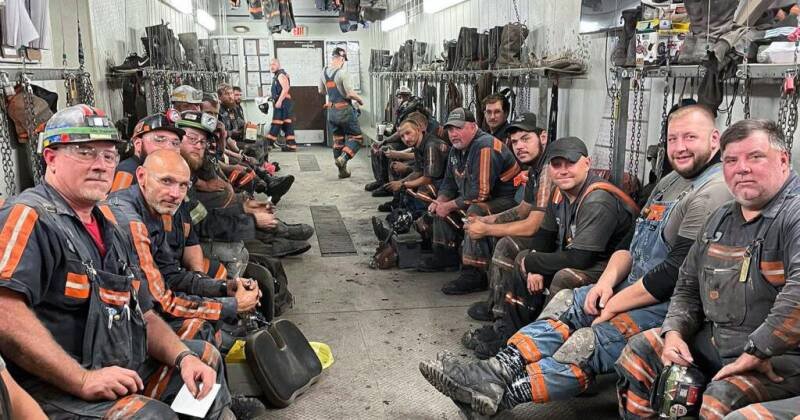



Two West Virginia miners died in separate incidents at mines with histories of safety violations. We analyze the causes, impact, and future of mine safety in the state.
West Virginia's mining community is mourning the loss of two miners who died in separate incidents within a 24-hour period. The accidents occurred at mines in Raleigh County and Marshall County, both of which have a history of safety violations. This heartbreaking news has reignited concerns about mine safety practices and oversight in the state.
The first incident took place on Thursday evening in Raleigh County. Details surrounding this accident are still emerging, but the loss of life is undeniable. The second fatality occurred Friday morning at a mine in Marshall County. Official investigations are underway to determine the precise causes of both accidents.
Adding to the gravity of the situation, reports indicate that both mines have faced numerous federal citations for safety violations in recent years. These violations raise serious questions about the adherence to safety regulations and the overall safety culture at these facilities.
These deaths are a stark reminder of the inherent dangers faced by miners every day. Mining is a crucial industry in West Virginia, providing livelihoods for many families. However, profitability should never come at the expense of worker safety. The fact that these incidents occurred at mines with documented safety violations underscores the need for stricter enforcement and a proactive approach to preventing accidents.
Beyond the immediate human cost, these tragedies can also have broader economic and social implications. They can impact worker morale, strain community resources, and damage the reputation of the mining industry as a whole. A safe working environment is not just a moral imperative; it's also essential for the long-term sustainability of the industry.
In our opinion, the fact that these deaths occurred at mines with prior safety violations suggests a potential systemic problem. It points to a need for more rigorous inspections, stricter penalties for violations, and a cultural shift within the industry that prioritizes safety above all else. The Mine Safety and Health Administration (MSHA) plays a critical role in ensuring miner safety, but questions are being raised if current measures are sufficient. Are the inspections frequent enough? Are the penalties for violations strong enough to deter unsafe practices?
The investigations into these accidents will be crucial in identifying the root causes and determining whether negligence played a role. It's also important to examine the training and safety procedures in place at these mines to identify any shortcomings that may have contributed to the tragedies. We need transparency and accountability from mine operators and regulatory agencies alike.
Furthermore, a "blame-free" culture should be fostered where miners are encouraged to report safety concerns without fear of reprisal. This promotes a proactive approach to safety, allowing potential hazards to be identified and addressed before they lead to accidents.
This incident could impact the future of mining regulations and practices in West Virginia. It may prompt lawmakers to consider strengthening safety laws, increasing funding for MSHA, and implementing more robust enforcement mechanisms. Public pressure will likely mount for greater accountability and transparency within the industry.
Looking ahead, the mining industry must embrace technological advancements that can enhance safety. This includes investing in better monitoring systems, improved ventilation equipment, and automation technologies that can reduce the need for miners to work in hazardous environments. Improved training programs and advanced safety technologies are essential in mitigating risk.
Ultimately, the future of mine safety in West Virginia depends on a collaborative effort involving mine operators, regulatory agencies, and the mining community as a whole. By prioritizing safety above all else, and by learning from these tragic events, we can work to prevent similar accidents from happening in the future. In our opinion, this requires a fundamental shift in mindset and a renewed commitment to protecting the lives and well-being of the men and women who work in our mines.
























