West Papua Massacre: Indonesian Retaliation Sparks Concerns
Reports of a massacre in West Papua following an attack on Indonesian police raise serious human rights concerns. We analyze the situation and potential future implications.
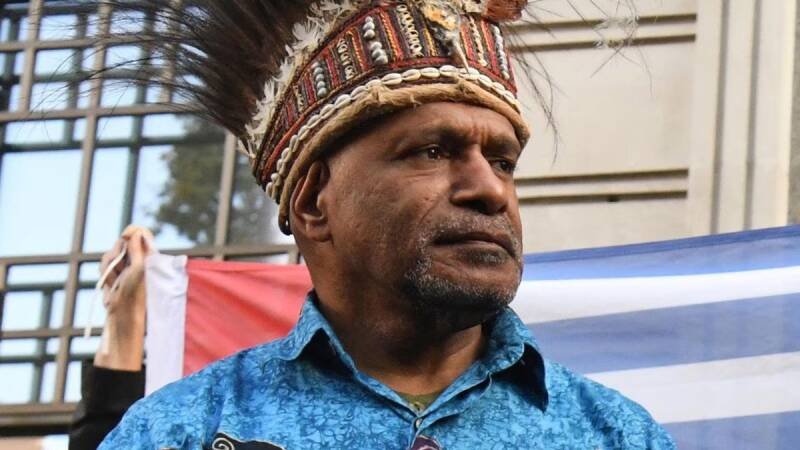



Reports of a massacre in West Papua following an attack on Indonesian police raise serious human rights concerns. We analyze the situation and potential future implications.
Reports are emerging from West Papua, Indonesia, detailing a potential massacre of civilians. These reports follow an attack on Indonesian police officers, allegedly carried out by separatist rebels. The situation is tense and information is difficult to verify independently, but the allegations raise serious human rights concerns.
According to various sources, including human rights organizations and local community members, the alleged massacre occurred as part of a retaliatory operation by Indonesian security forces. After a reported attack that resulted in the deaths of police officers, security forces are said to have launched a widespread operation, targeting villages suspected of harboring separatist fighters. While details remain murky and contested, the reports suggest that a significant number of civilians may have been killed in the process.
The Indonesian government has yet to provide a comprehensive and transparent account of the events. They have acknowledged the police attack and the subsequent security operation, but have denied allegations of a massacre. The lack of independent access to the region makes verifying these claims extremely difficult.
This news is significant for several reasons:
In our opinion, the lack of transparency from the Indonesian government is deeply concerning. The restrictions on access for journalists and human rights observers fuel suspicion and make it difficult to ascertain the truth. Even if the allegations are exaggerated, the mere presence of such widespread reports warrants a full and independent investigation.
The situation in West Papua is complex, rooted in historical grievances and ongoing issues of political and economic marginalization. The Indonesian government's approach, often characterized by heavy-handed security measures, appears to be exacerbating the situation rather than resolving it. A purely military solution is unlikely to bring lasting peace.
The OPM (Organisasi Papua Merdeka), the Free Papua Movement, has been fighting for independence from Indonesia for decades. Their activities range from peaceful protests to armed resistance. While some factions advocate for dialogue and negotiation, others are committed to armed struggle. The alleged attack on the police is attributed to one of these factions, highlighting the ongoing challenges in achieving a peaceful resolution.
The future of West Papua remains uncertain. This could impact the region greatly.
It is crucial that the international community continues to monitor the situation closely and advocate for a peaceful and just resolution to the conflict in West Papua. A transparent investigation into the alleged massacre is essential to ensuring accountability and preventing future atrocities.
























