Welcome to the Real World: High School Students Learn Financial Literacy
Grundy Area Vocational Center brings financial literacy simulation "Welcome to the Real World" to local high schools, teaching students essential life skills. Learn why this matters and what the future holds.
Welcome to the Real World: High School Students Get a Financial Reality Check
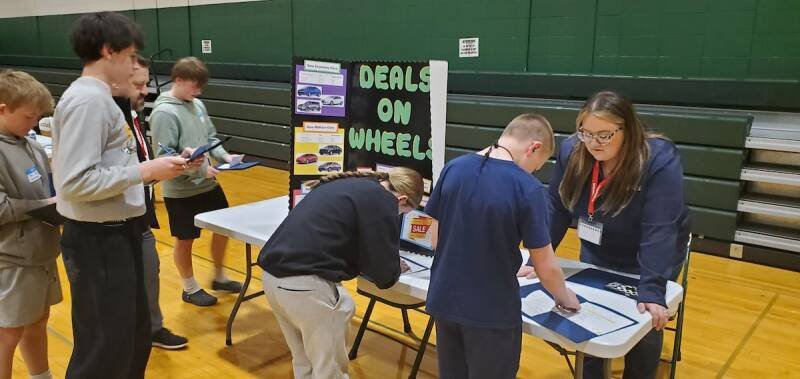
The Grundy Area Vocational Center recently partnered with the University of Illinois Extension to bring a unique and impactful program to local high school students: "Welcome to the Real World." Held on March 25th and 26th, students from Coal City and Gardner-South Wilmington High Schools participated in this hands-on simulation designed to teach them essential financial literacy skills.
Instead of lectures and textbooks, "Welcome to the Real World" immerses students in a simulated adult life. They're given a job, a salary, and a set of financial responsibilities, forcing them to make critical decisions about budgeting, housing, transportation, and more.
What is "Welcome to the Real World?"
This simulation aims to bridge the gap between classroom learning and the often-intimidating realities of managing personal finances. It's designed to be interactive and engaging, allowing students to learn by doing and experiencing the consequences of their financial choices in a safe and controlled environment. Students are essentially "adults" for a day, navigating the complexities of bills, loans, and everyday expenses.
Why This News Matters
Financial literacy is a crucial life skill often overlooked in traditional education. Many young adults enter the workforce and independent living without a solid understanding of budgeting, saving, or managing debt. This lack of knowledge can lead to poor financial decisions, impacting their credit scores, future opportunities, and overall well-being.
Programs like "Welcome to the Real World" directly address this gap. By providing a practical, hands-on experience, they empower students to make informed financial decisions and build a strong foundation for their financial future. This early exposure can reduce the likelihood of financial struggles later in life and contribute to a more financially responsible society.
Our Analysis
In our opinion, the "Welcome to the Real World" program is a valuable and innovative approach to financial education. The experiential learning model is far more effective than traditional lectures, as it allows students to actively participate and connect with the material on a personal level. By experiencing the challenges and trade-offs of managing a budget, students gain a deeper understanding of the importance of financial planning.
This program could also significantly impact students' career aspirations. By understanding the financial realities of different career paths, students can make more informed decisions about their education and future employment. This program could lead to students being more dedicated to school so they can have better paying jobs.
We believe the Grundy Area Vocational Center's initiative to bring this program to local high schools demonstrates a commitment to preparing students for success beyond the classroom.
Future Outlook
The success of "Welcome to the Real World" at Coal City and Gardner-South Wilmington High Schools could pave the way for wider adoption of similar programs in other schools and communities. As financial literacy becomes increasingly recognized as an essential life skill, we expect to see more educational institutions incorporating practical, hands-on learning experiences into their curriculum.
This could involve expanding the "Welcome to the Real World" program to reach more students, developing similar simulations tailored to specific age groups or financial situations, or integrating financial literacy concepts into existing courses.
Furthermore, the program's success highlights the importance of partnerships between educational institutions and organizations like the University of Illinois Extension. Collaboration can leverage expertise and resources to create impactful educational experiences for students. This model could be replicated in other areas to address a wide range of skills gaps and prepare students for future success. It is our feeling that increased financial literacy efforts will pay dividends to students and society as a whole.