US Special Forces Rescue Mission in Iran: Analysis and Implications
A daring US special forces operation deep inside Iran rescued a downed aircrew. Get the full story, analysis of the risks, and potential impact on US-Iran relations.



A daring US special forces operation deep inside Iran rescued a downed aircrew. Get the full story, analysis of the risks, and potential impact on US-Iran relations.
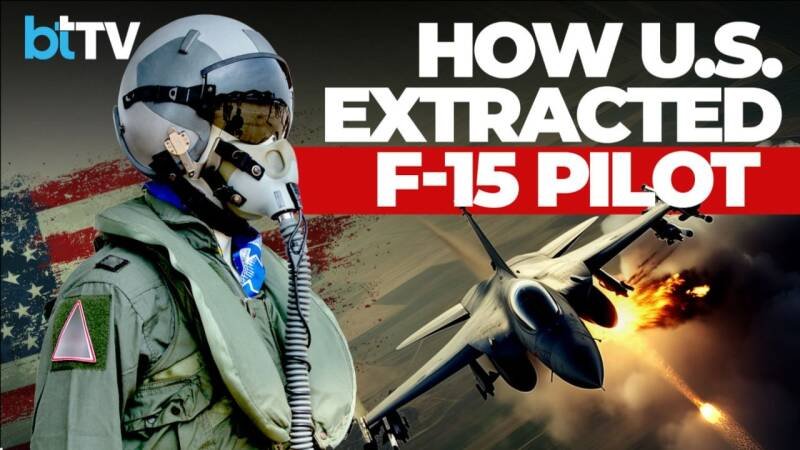
In a high-stakes operation that has sent ripples throughout the geopolitical landscape, United States special forces successfully rescued a downed aircrew member from deep within Iranian territory. The mission, which lasted 36 hours, involved significant risks and marked a rare instance of a U.S. ground incursion into Iran.
The incident began when an F-15E Strike Eagle was shot down. One crew member was quickly recovered. The second pilot, however, found himself trapped behind enemy lines, triggering a frantic search and rescue operation. Faced with a narrow window of opportunity and the looming threat of capture, the U.S. military launched a daring extraction mission.
The operation reportedly involved airstrikes, firefights, and a coordinated effort using multiple aircraft. Simultaneously, Iranian forces initiated their own search for the downed pilot, adding another layer of urgency and complexity to the situation. Ultimately, the U.S. special forces team successfully located and rescued the pilot, evacuating all personnel after destroying the disabled F-15E to prevent it from falling into enemy hands.
This event is significant for several reasons:
In our opinion, this operation was a calculated risk with potentially significant rewards. The U.S. military clearly prioritized the safety of its personnel and was willing to undertake a complex and dangerous mission to achieve that goal. The decision to destroy the downed aircraft further underscores the strategic importance placed on preventing sensitive technology from being captured.
However, the timing of this operation is also noteworthy. Given the already strained relationship between the U.S. and Iran, this incursion could further complicate diplomatic efforts. While the U.S. will likely frame the mission as a purely humanitarian rescue, Iran may view it as an act of aggression.
The immediate aftermath of this rescue mission will likely involve increased rhetoric from both sides. Iran may lodge formal protests through diplomatic channels and potentially retaliate through proxy groups in the region. The U.S. will likely emphasize its commitment to protecting its personnel and defending its interests.
This could impact ongoing negotiations surrounding the Iran nuclear deal. Hardliners in both countries might use the incident to argue against further engagement, potentially jeopardizing any prospects for a peaceful resolution. This event also underscores the need for continued vigilance and strategic planning in the region. Increased military presence and readiness can be expected.
Moving forward, it will be crucial for both the U.S. and Iran to exercise restraint and avoid any further escalatory actions. De-escalation will require careful diplomacy and a willingness to engage in dialogue, despite the heightened tensions. The success of this mission, while a tactical victory, carries the risk of long-term strategic consequences. Maintaining open communication channels and pursuing diplomatic solutions is more important than ever.
























