US-Iran Talks in Islamabad: A Critical Analysis of Peace Prospects
Explore the US-Iran talks in Islamabad: key issues like sanctions relief and Hormuz control, analysis, and the future outlook for peace.
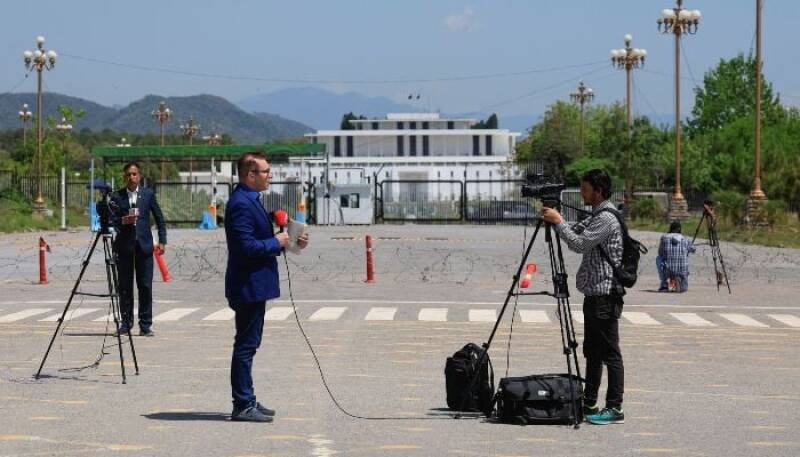



Explore the US-Iran talks in Islamabad: key issues like sanctions relief and Hormuz control, analysis, and the future outlook for peace.
In a significant development, the United States and Iran have commenced crucial talks in Islamabad, Pakistan. This meeting, reported by numerous media outlets, marks a pivotal moment in the ongoing efforts to de-escalate tensions and potentially revive stalled diplomatic progress. Key issues on the table include sanctions relief for Iran and the contentious matter of control over the Strait of Hormuz.
These talks are occurring against a backdrop of heightened tensions in the Middle East. The collapse of the original Iran nuclear deal (JCPOA) under the previous US administration has led to increased Iranian nuclear activity and escalating regional conflicts. This meeting in Islamabad, facilitated by Pakistan, represents a rare opportunity for direct engagement between the two nations.
The primary sticking points remain US sanctions on Iran and the strategic importance of the Strait of Hormuz. Iran seeks comprehensive sanctions relief in exchange for verifiable limitations on its nuclear program. The US, on the other hand, is pushing for stricter controls and guarantees to prevent Iran from developing nuclear weapons. The Strait of Hormuz, a vital shipping lane for global oil supplies, is another source of contention, with both sides seeking to ensure its safe passage while maintaining their respective security interests.
These talks matter immensely for several reasons:
In our opinion, the success of these talks hinges on the willingness of both sides to compromise. The US must offer meaningful sanctions relief to incentivize Iran's cooperation, while Iran needs to provide credible assurances regarding its nuclear program. The issue of Hormuz control is particularly delicate and will require creative solutions that address the security concerns of all parties involved. The choice of Islamabad as a venue suggests a desire for a neutral and facilitating environment.
The fact that these talks are even happening signals a willingness to explore diplomatic solutions. However, deep-seated mistrust and historical grievances remain significant obstacles. A phased approach, where concessions are granted incrementally and verified at each stage, could be the most viable path forward.
The future outlook for these talks is uncertain. Several possible scenarios could unfold:
The next few weeks will be crucial in determining the direction of US-Iran relations. This could impact not only the Middle East but also the global economy and international security. Continued engagement and a commitment to finding common ground are essential for achieving a peaceful resolution.
It's important to note that the Pakistani government, hosting these talks, is walking a fine line. They aim to facilitate peace without being perceived as taking sides, which is crucial for maintaining regional stability and international relations.
























