US Blockade of Iranian Ports: What it Means and What Happens Next
The US military is set to begin a blockade of Iranian ports. This article breaks down the situation, explains why it matters, and offers analysis and future outlook.
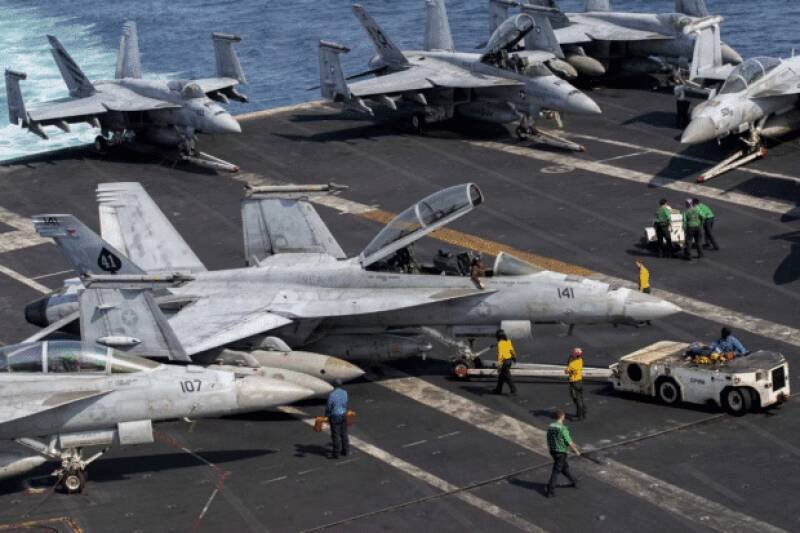



The US military is set to begin a blockade of Iranian ports. This article breaks down the situation, explains why it matters, and offers analysis and future outlook.
Tensions in the Middle East are escalating. The US military has announced that it will begin a blockade of Iranian ports starting Monday. This news comes after peace talks in Pakistan collapsed, with the US accusing Iran of refusing to abandon its nuclear program ambitions.
This decision follows a six-week conflict and despite a ceasefire agreement reached just days before. The sudden shift back to confrontation raises serious questions about the future of stability in the region.
A blockade is essentially a military tactic where a country prevents ships from entering or leaving another country's ports. This is typically done to exert economic pressure, restrict the flow of goods, and ultimately force the targeted country to change its policies. In this case, the US is aiming to pressure Iran to abandon its nuclear program.
This blockade could have significant ramifications on a global scale. Here's why:
In our opinion, this blockade is a high-risk strategy. While the US aims to curb Iran's nuclear ambitions, the potential consequences are severe. The failure of peace talks is deeply concerning and points to a lack of diplomatic progress. The effectiveness of a blockade in achieving its intended goals is also questionable.
A blockade, by definition, is an act of war. It signals a monumental shift from diplomacy to military action. The justification for such action must be rock solid, and the potential for miscalculation is enormous. This situation requires extreme caution from all parties involved.
The immediate future looks uncertain. Here are some possible scenarios:
This could impact global trade routes. We expect insurance rates to increase, and we anticipate an increase in tensions between countries allied with either the US or Iran.
Ultimately, the success or failure of this blockade will depend on a multitude of factors, including Iran's response, the reactions of other global powers, and the willingness of both sides to engage in meaningful dialogue. One thing is certain: the coming days and weeks will be critical in determining the future of the Middle East.
























