Understanding Trump's Budget Proposal: Why the Deficit Still Matters
Trump's recent budget request to Congress has largely been ignored. We break down why it still matters and the impact on the US deficit.



Trump's recent budget request to Congress has largely been ignored. We break down why it still matters and the impact on the US deficit.
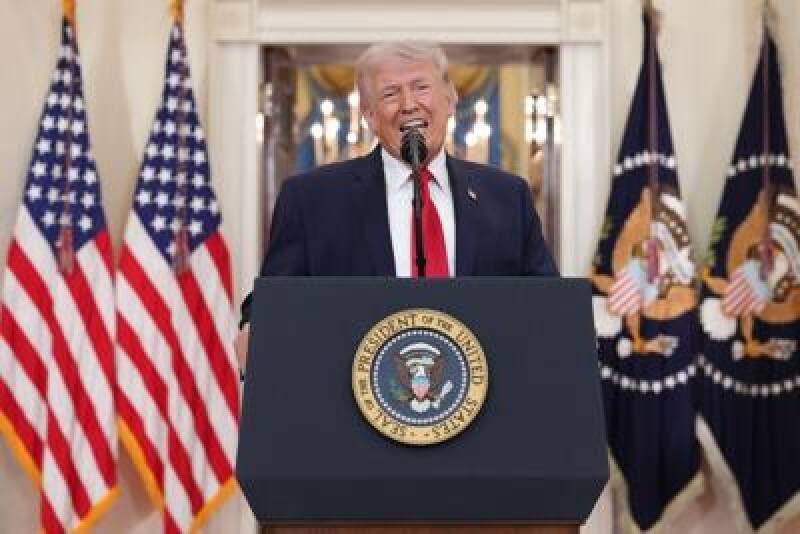
President Trump recently submitted his annual budget request to Congress, a task that often goes unnoticed amidst the daily barrage of news. While it arrived months late and was incomplete, ignoring it would be a mistake. The budget provides a glimpse into the administration's priorities and offers crucial insights into the projected trajectory of the US deficit.
The budget's release didn't exactly set the political world on fire. With so much else happening, it's easy to understand why. However, a budget proposal from the executive branch is the roadmap for how to spend money. It shows where the government thinks money should be allocated. The information here is the foundation to understanding the government's strategy for the country's finances.
The US national debt is a significant and growing concern. While immediate crises often dominate headlines, the long-term consequences of unchecked debt are far-reaching. High debt levels can lead to:
Therefore, understanding the budget's impact on the deficit is crucial for informed civic engagement.
In our opinion, the budget proposal highlights a potential disconnect between the administration's stated goals and its fiscal policies. While claiming to prioritize economic growth, the proposed spending levels and tax policies could exacerbate the deficit, potentially undermining long-term economic stability. This is especially worrying considering the current economic climate.
The key to understanding the budget's impact lies in scrutinizing the details. For example, proposed cuts to certain programs might be offset by increases in others. Examining these shifts in spending priorities reveals the administration's true agenda. Are social programs being slashed in favor of military spending? Are tax cuts for corporations being prioritized over investments in infrastructure?
Budget projections are often based on assumptions about future economic growth, inflation, and interest rates. These assumptions can be overly optimistic or pessimistic, significantly affecting the projected deficit. It's crucial to critically evaluate the underlying assumptions and consider alternative scenarios.
The budget proposal is just the starting point. Congress will now debate and revise the proposal, potentially making significant changes. The final budget that emerges will depend on the political dynamics and priorities of both parties. This is a pivotal moment for shaping the future of US fiscal policy.
This could impact everything from social security to military spending. As politicians maneuver, they will be looking for opportunities to deliver money back to the districts that voted for them.
The public plays a crucial role in holding policymakers accountable. Informed citizens who understand the implications of the budget can demand responsible fiscal policies. By engaging in civil discourse and demanding transparency, the public can influence the budget process and shape the future of the nation's finances.
In conclusion, while the budget request may seem like a dry and technical document, it represents a critical opportunity to shape the future of the US economy. By paying attention to the details and engaging in informed discussion, we can ensure that our elected officials prioritize fiscal responsibility and promote long-term economic prosperity.