Ukraine Refinery Strikes: Why the West Wants Them to Stop
Why are Western allies asking Ukraine to stop attacking Russian oil refineries? We break down the geopolitical implications and future outlook.




Why are Western allies asking Ukraine to stop attacking Russian oil refineries? We break down the geopolitical implications and future outlook.
Recent reports indicate that Ukraine has been conducting strikes on Russian oil refineries, causing disruptions to Russia's energy production. Now, Kyrylo Budanov, the head of the Ukrainian President's Office, has confirmed receiving "signals" from allies suggesting Ukraine should pause these attacks. This comes at a sensitive time, as the conflict in the Middle East is already putting upward pressure on global oil prices.
Ukraine has been targeting Russian energy infrastructure, specifically oil refineries, in what appears to be an effort to weaken Russia's war effort by impacting its revenue streams. These strikes have reportedly had some success in disrupting Russian oil production.
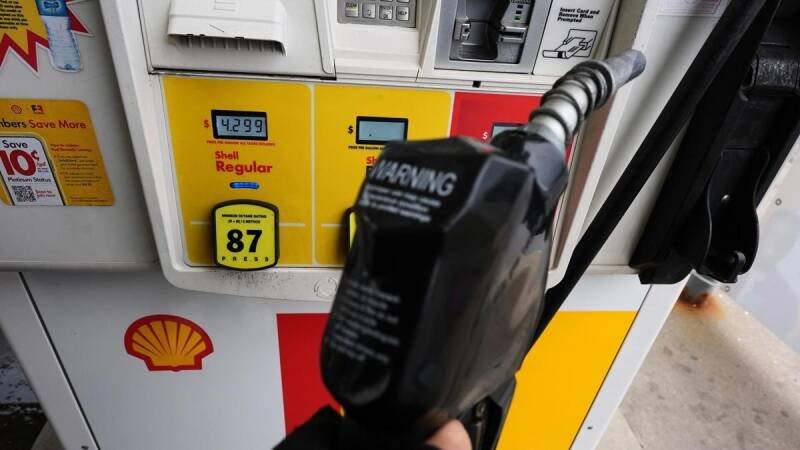
However, these actions are having a wider impact than just on Russia. With the ongoing conflict in the Middle East, global oil prices are already volatile. The attacks on Russian refineries are exacerbating the situation, leading to concerns about potential energy shortages and price increases worldwide.
This news matters on several fronts. Firstly, it highlights the delicate balancing act Ukraine must perform between defending itself and considering the broader geopolitical consequences of its actions. Secondly, it underscores the interconnectedness of global energy markets and how regional conflicts can have far-reaching effects. Finally, it reveals the internal tensions within the alliance supporting Ukraine, as different countries prioritize different aspects of the conflict.
In our opinion, the request for Ukraine to halt refinery strikes is a complex issue with no easy answers. On one hand, Ukraine has a right to defend itself and disrupt Russia's war machine. Targeting energy infrastructure is a legitimate tactic in this context. On the other hand, the potential for global economic disruption is a serious concern, especially given the already volatile situation in the Middle East. The US and other allies are likely worried about inflation and the political consequences of high gas prices at home.
It's also crucial to consider the long-term implications. While disrupting Russian oil production might seem like a victory in the short term, it could also lead to unintended consequences, such as Russia retaliating in other ways or finding alternative sources of revenue. This could impact the effectiveness of sanctions already in place. Furthermore, the pressure from allies also tests the strength of the allied support for Ukraine, and could be viewed as a sign that their strategy is not completely aligned.
The future is uncertain, but several scenarios are possible:
In our opinion, a compromise is the most likely outcome. Ukraine may agree to temporarily pause refinery strikes, but it's unlikely to abandon the tactic altogether. It is crucial that the allied forces continue to support Ukraine's war effort while mitigating global inflation pressures. This support may mean providing increased military aid, or other non-kinetic methods for impacting Russia's aggression.
Ultimately, the situation highlights the difficult choices facing Ukraine and its allies as they navigate this complex conflict. The balance between supporting Ukraine's self-defense and managing the broader geopolitical and economic consequences will be crucial in determining the future trajectory of the war.