UK Cod Stocks Dwindling: Should You Stop Eating Fish and Chips?
Cod populations in UK waters are critically low. Experts are urging consumers to avoid eating UK-caught cod to help the species recover. Is this the end of fish and chips as we know it?
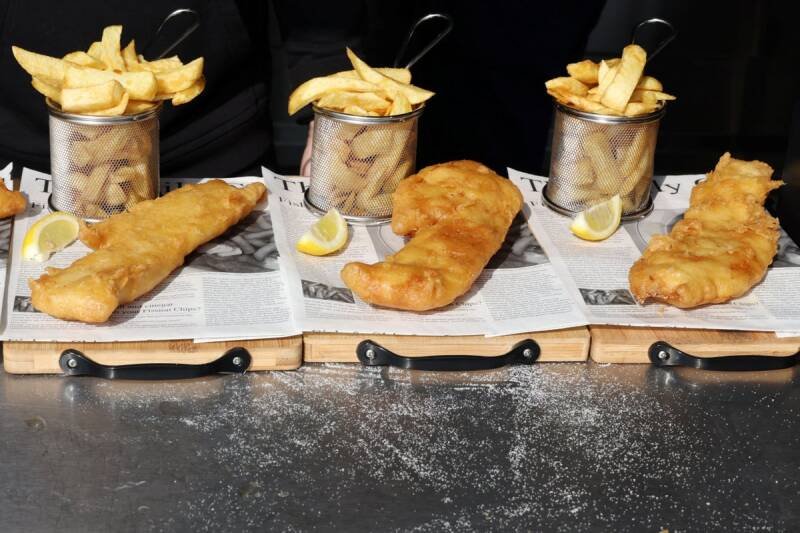



Cod populations in UK waters are critically low. Experts are urging consumers to avoid eating UK-caught cod to help the species recover. Is this the end of fish and chips as we know it?
British fish and chip lovers, brace yourselves. Conservationists are sounding the alarm about cod populations in UK waters, warning that they are at "dangerously low levels." This has led to calls for consumers to completely avoid eating UK-caught cod to allow the species a chance to recover. But what does this mean for your Friday night takeaway, and what's really going on beneath the waves?
For years, cod has been a staple in the British diet. However, decades of overfishing, coupled with the effects of climate change, have taken a severe toll. Scientific surveys show that the number of cod swimming in UK waters has plummeted, placing the species in a precarious situation.
This isn't just an environmental issue; it's an economic one, too. The fishing industry relies on healthy cod stocks for its livelihood. If the cod disappear, so too do jobs and businesses that depend on them.
The decline of UK cod stocks has far-reaching implications:
In our opinion, the conservationists' warning is a necessary wake-up call. Ignoring the problem will only exacerbate the situation. While asking people to avoid UK-caught cod may seem drastic, it's a crucial step towards allowing the population to replenish.
The key here is sustainable fishing. Quotas need to be strictly enforced, and illegal fishing needs to be tackled head-on. Furthermore, supporting fisheries that prioritize responsible practices is essential. Consumers have a powerful voice; by choosing sustainably sourced seafood, they can encourage better management of our oceans.
There's also the impact of climate change to consider. Warmer waters can affect cod breeding and survival. Addressing climate change, through reducing carbon emissions, is vital for the long-term health of marine ecosystems.
So, what can you eat instead of UK cod? Several sustainable alternatives exist, including:
When choosing seafood, look for certification labels like the Marine Stewardship Council (MSC) logo. This indicates that the fish comes from a well-managed and sustainable fishery.
The future of UK cod stocks depends on a concerted effort from governments, the fishing industry, and consumers. Stricter regulations, sustainable fishing practices, and responsible consumption are all essential.
This could impact the way we think about fish and chips. Perhaps it will become a treat, rather than a weekly staple. Or perhaps, through careful management, we can restore cod populations to healthy levels.
We believe that with the right approach, it is possible to balance the needs of the fishing industry with the need to protect our marine environment. However, time is of the essence. Action must be taken now to prevent the further decline of UK cod stocks.