Trump Leaks Investigation: Potential Jail Time for Journalists?
An investigation is underway after sensitive information about a US pilot rescue operation in Iran was leaked. Trump threatens jail time for those involved.
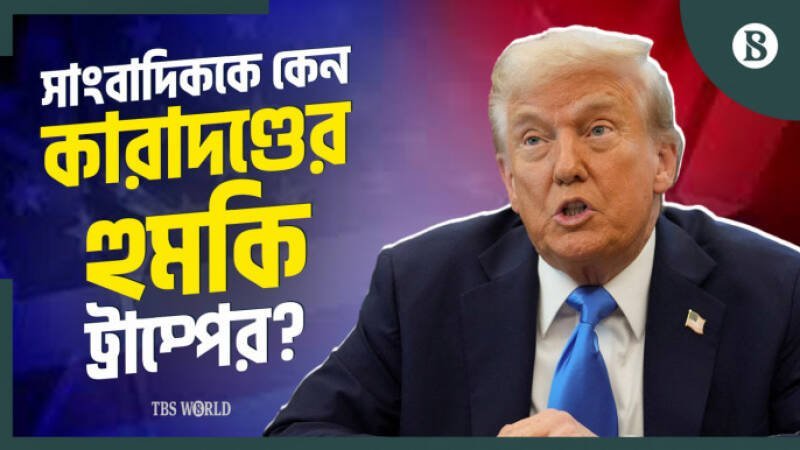



An investigation is underway after sensitive information about a US pilot rescue operation in Iran was leaked. Trump threatens jail time for those involved.
Former US President Donald Trump is reportedly furious after details of a sensitive military operation – the rescue of a US fighter jet pilot downed in Iran – were leaked to the press. Trump has threatened serious consequences, including potential jail time, for the journalist or media outlet responsible for publishing the classified information if the source isn't revealed. This situation raises serious questions about national security, freedom of the press, and the balance between transparency and secrecy.
While the specifics of the leaked information haven't been publicly disclosed, it appears the leak involved details of the US military's successful effort to rescue a pilot who crashed in Iranian territory. The operation was undoubtedly complex and high-stakes, involving significant risks to those involved. Revealing specific details about the operation could compromise future missions and endanger the lives of military personnel. Classified information is information that the government has determined could be harmful to national security if released to the public. This can include military strategies, intelligence gathering techniques, and information about covert operations.
This situation highlights several critical issues:
In our opinion, this situation is a complex balancing act. Protecting classified information is vital for national security. Premature or unauthorized disclosures can jeopardize lives and compromise ongoing or future operations. However, a free press is essential for a healthy democracy. Journalists play a crucial role in holding power accountable and informing the public. Threatening them with jail time for doing their job can have a chilling effect, stifling investigative journalism and limiting public access to information.
The key here is intention. If the journalist knowingly and maliciously published information with the intent to harm national security, then legal consequences may be warranted. However, if the publication was done in the public interest, and the journalist acted responsibly, then the threat of jail time seems excessive. The government needs to carefully consider the implications of pursuing such a course of action.
It's worth noting that prosecuting journalists for publishing classified information is rare in the United States, and faces significant legal hurdles. The First Amendment protects freedom of the press, and the government must demonstrate a compelling interest in restricting that freedom. The Supreme Court has established a high bar for proving that publication of information poses a direct and imminent threat to national security.
The outcome of this investigation remains uncertain. It's likely that the Justice Department will launch a thorough investigation to determine the source of the leak and whether any laws were broken. This could impact the relationship between the Trump and the media even further, creating more mistrust and less transperancy. The situation could also lead to new legislation or policies regarding the handling of classified information and the protection of sources.
Moving forward, a transparent and balanced approach is crucial. The government must vigorously protect classified information, but it must also respect the freedom of the press and the public's right to know. Finding that balance will be essential for maintaining both national security and a healthy democracy.
























