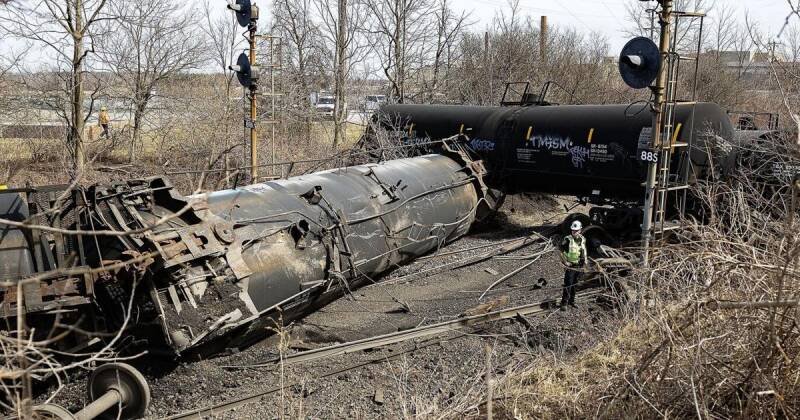
St. Catharines Train Derailment: Tracks Partially Restored - What it Means for You
Partial restoration after the St. Catharines train derailment. Learn how this impacts Welland Canals Parkway, the local economy, and what the future holds for rail transport in the region.
St. Catharines Train Derailment: Recovery Underway, But Challenges Remain
Good news for commuters and businesses in St. Catharines, Ontario: tracks have been partially restored following a recent train derailment. However, the recovery isn't complete, and further disruptions are expected as repair work continues. This means the Welland Canals Parkway will remain closed north of Glendale Avenue to facilitate these crucial repairs.
What Happened?
While details surrounding the exact cause of the derailment haven't been fully released, the incident resulted in significant damage to the tracks, requiring immediate and extensive repair efforts. The partial restoration is a testament to the hard work of the crews involved and signifies progress towards normalcy.
The ongoing closure of the Welland Canals Parkway is a direct consequence of the need to safely and efficiently complete the remaining repairs. This closure allows crews to operate heavy machinery and ensures the safety of both workers and the public.
Why This News Matters
This seemingly localized incident has broader implications than you might think.
- Commuters and Local Traffic: The closure of Welland Canals Parkway directly impacts commuters who rely on this route. Expect delays and detours. Plan your trips accordingly.
- Supply Chain: Rail transport is a crucial element of the supply chain, moving goods and materials. Even a partial disruption can lead to delays in deliveries and increased costs.
- Local Economy: Businesses that depend on efficient transportation routes could experience challenges. Increased transportation costs and potential delays could affect their bottom line.
- Rail Safety: This incident raises questions about rail safety and infrastructure maintenance. It highlights the importance of investing in regular inspections and upgrades to prevent future derailments.
Our Analysis
The swift action to partially restore the tracks is commendable. However, the ongoing closure of the Welland Canals Parkway suggests the damage was significant. It’s crucial that a thorough investigation is conducted to determine the cause of the derailment and identify any potential safety lapses. In our opinion, transparency in this process is vital to maintain public trust.
Furthermore, this incident highlights the vulnerability of our transportation infrastructure. While rail transport is generally considered safe, incidents like this demonstrate the need for continuous improvement in safety protocols and infrastructure maintenance. This could impact future investment decisions related to rail infrastructure across Canada.
Potential Contributing Factors
While we can't definitively say what caused the derailment, factors that are often involved in these types of incidents include:
- Track defects: Cracks, wear, or other structural issues.
- Equipment failure: Problems with the train's wheels, brakes, or other components.
- Human error: Mistakes made by train operators or maintenance personnel.
- Environmental factors: Extreme weather conditions, such as heavy rain or snow.
Future Outlook
The full reopening of the Welland Canals Parkway is dependent on the timely completion of the remaining repairs. It's crucial to stay updated on the progress of the work and any potential delays. Local authorities will likely provide updates through official channels.
In the long term, this incident should serve as a catalyst for a renewed focus on rail safety and infrastructure investment. This means implementing more rigorous inspection protocols, upgrading aging infrastructure, and investing in technologies that can help prevent future derailments. The safety and efficiency of our rail network are essential for a healthy economy and a thriving community.
We anticipate a period of disruption in the short term, but hope that the incident prompts a serious review of rail safety protocols. Without this review, more incidents like this could be likely.