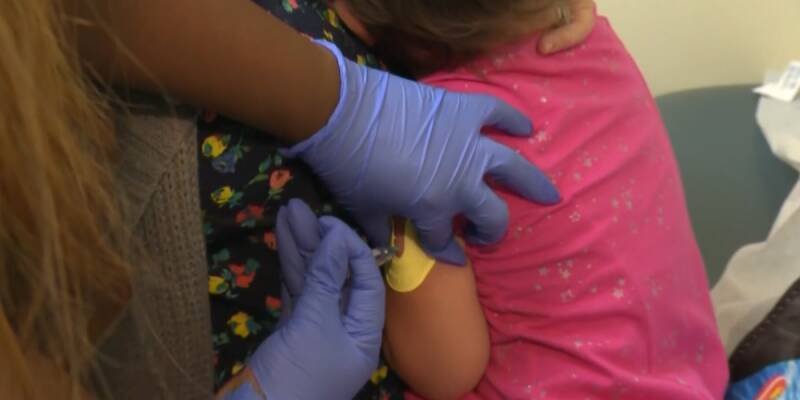
Southern Illinois Urges Early Back-to-School Checkups & Vaccinations
Health officials in Southern Illinois are encouraging families to schedule back-to-school physicals and vaccinations early to avoid last-minute rushes and ensure children are healthy for the school year. Learn why this matters and what the future holds.
Southern Illinois Health Officials Push for Early Back-to-School Checkups and Vaccinations
Health leaders in Southern Illinois are making a proactive push for families to schedule their children’s back-to-school physicals and vaccinations well in advance of the start of the academic year. This initiative aims to alleviate the typical late-summer rush on healthcare providers and ensure all students meet required health standards before entering the classroom.
Understanding the Back-to-School Requirements
Most states, including Illinois, have specific health requirements for students entering different grades. These typically include:
- Physical Examinations: To assess a child's overall health and identify any potential issues that could affect their learning or participation in school activities.
- Vaccinations: To protect students and the broader community from preventable diseases like measles, mumps, rubella, polio, and chickenpox. Specific vaccination requirements vary by age and grade level.
Failing to meet these requirements can delay a student's enrollment or participation in school activities. This is why health officials are urging early action.
Why This News Matters
This call for early action is significant for several reasons:
- Reduced Wait Times: Scheduling appointments early minimizes wait times and ensures families can secure convenient appointment slots.
- Timely Intervention: Early physicals can identify health issues that might otherwise go unnoticed, allowing for timely intervention and treatment. This ensures that children are healthy and ready to learn.
- Community Health: High vaccination rates protect the entire community from preventable diseases, creating a safer and healthier learning environment for everyone.
- Administrative Efficiency: A smoother, earlier process reduces the burden on school administrators who are responsible for verifying student health records.
Our Analysis
In our opinion, the proactive approach taken by Southern Illinois health officials is commendable. Encouraging early physicals and vaccinations is a smart way to address the challenges associated with back-to-school healthcare requirements. This helps ease the stress on families, healthcare providers, and schools alike.
The benefits of early intervention far outweigh any perceived inconvenience. Detecting and addressing health issues early can prevent more serious problems down the line, leading to better health outcomes for children and a more productive learning environment.
This also highlights the crucial role public health officials play in community well-being. Their efforts to promote preventative care and educate the public contribute significantly to the overall health and safety of the region.
Future Outlook
We believe this initiative could serve as a model for other regions facing similar challenges with back-to-school healthcare requirements. If successful, we may see a wider adoption of early scheduling programs across the state and even the nation.
This could also impact the way healthcare providers manage their schedules and allocate resources, potentially leading to more efficient and patient-centered care. Furthermore, greater emphasis on preventative care could lead to long-term cost savings in the healthcare system.
However, several factors could influence the success of this initiative:
- Public Awareness: Effective communication and outreach are essential to ensure that families are aware of the importance of early scheduling.
- Healthcare Access: Ensuring that all families, regardless of income or location, have access to affordable healthcare services is critical.
- Collaboration: Strong collaboration between healthcare providers, schools, and community organizations is necessary to streamline the process and address any barriers to access.
Ultimately, the success of this initiative will depend on the collective efforts of all stakeholders. If these challenges are addressed effectively, this could lead to a healthier and more successful school year for all students in Southern Illinois. We are optimistic that this initiative will make a positive impact on the community.