Snowmass Ski Resort Closes Early: What It Means for Skiing
Snowmass ski resort closed early for the season. This article explains the impact, analyzes the reasons, and offers insight into the future of skiing in the region.
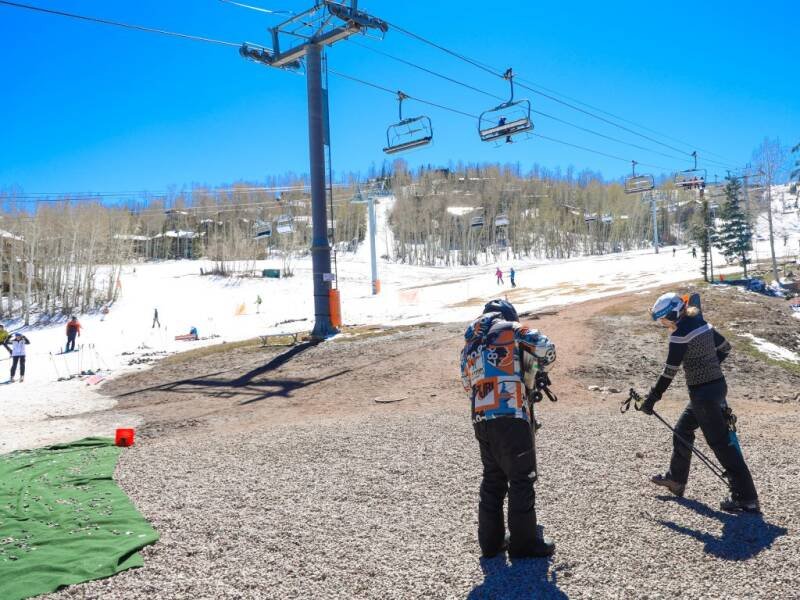



Snowmass ski resort closed early for the season. This article explains the impact, analyzes the reasons, and offers insight into the future of skiing in the region.
Snowmass, a popular ski resort in Colorado, officially closed its doors for the season on Easter Sunday. This early closure marks the end of skiing for Snowmass this winter, joining other local mountains like Sunlight in wrapping up their seasons sooner than expected.
Skiers and snowboarders eager to hit the slopes were surprised by the early closure. Typically, ski resorts aim to remain open longer, often stretching into late April. This year, however, factors combined to cut the season short at Snowmass and other nearby locations.
The early closure of Snowmass, and other resorts, is more than just a disappointment for skiers. It's a sign of potential shifts in weather patterns and the ski industry itself. These closures can have significant economic impacts on local communities that rely on tourism revenue generated by skiing.
Furthermore, it underscores the growing concerns about climate change and its potential to disrupt winter sports. Fewer ski days translates to less revenue for resorts, fewer jobs for seasonal workers, and potentially higher prices for future ski seasons.
While ski resorts don't always disclose the exact reasons behind early closures, weather patterns are likely a key factor. A lack of consistent snowfall throughout the season can lead to thinner snowpack, making it difficult and potentially unsafe to maintain skiable conditions. We believe warmer temperatures also contribute by causing snow to melt faster.
In our opinion, the industry is adapting, but faster action is needed. This could impact long-term viability. These factors make it more expensive to maintain slopes, often leading to an earlier end to the season.
The economic impact of an early closure can be substantial. Local businesses, including restaurants, hotels, and ski shops, rely heavily on the influx of tourists during the ski season. A shorter season means less revenue for these businesses, potentially leading to job losses and reduced economic activity in the area.
We think it is important to remember the local workforce and all the jobs involved. Without a stable ski season, they are directly affected.
The ski industry faces the challenge of adapting to a changing climate. Resorts may need to invest in snowmaking technology to supplement natural snowfall. Diversification of activities offered at resorts, such as mountain biking and hiking during the summer months, could help mitigate the economic impact of shorter ski seasons.
The early closure of Snowmass raises questions about the future of skiing in the region. Will early closures become more common? Will the ski season become shorter and less predictable? These are important questions that need to be addressed by the ski industry, policymakers, and the community.
While the future is uncertain, it's clear that the ski industry needs to be proactive in addressing the challenges posed by climate change. This includes investing in sustainable practices, promoting responsible tourism, and working to reduce carbon emissions. The hope is that Snowmass, and other ski resorts, can continue to provide enjoyment for generations to come, but the industry needs to evolve.
While this season may be over, skiers and snowboarders can look forward to next winter. Let's hope for abundant snowfall and a long, enjoyable ski season at Snowmass and other resorts across the region. Resorts are always working on improving, so be ready for next season.