Skier Death in Rogers Pass: Avalanche Safety and Awareness
A skier died in Rogers Pass after a loose-snow avalanche. We break down what happened, why it matters, and how to stay safe in avalanche terrain.



A skier died in Rogers Pass after a loose-snow avalanche. We break down what happened, why it matters, and how to stay safe in avalanche terrain.
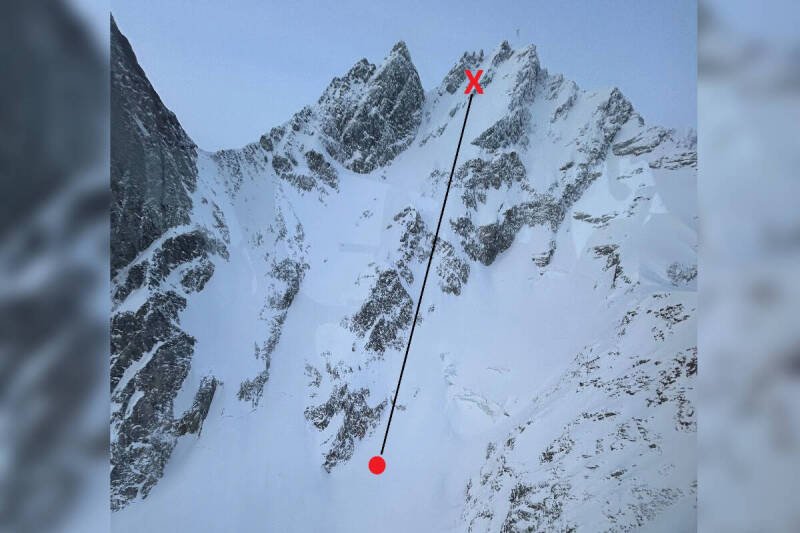
A skier tragically died on March 30th in Rogers Pass, British Columbia, after being caught in a "sluff," a type of loose-snow avalanche. Parks Canada confirmed the incident occurred on Swiss Peak, highlighting the ever-present dangers of backcountry skiing.
According to Parks Canada's report, the skier was caught by a sluff and carried approximately 600 meters (almost 2000 feet) down the mountain. This massive descent tragically proved fatal.
What exactly is a sluff avalanche? It's crucial to understand this type of avalanche to appreciate the risks involved. Sluff avalanches are small, loose-snow slides that typically occur on steep slopes after fresh snowfall or during periods of warming. They are often triggered by the weight of a skier or snowboarder. While individually they might seem harmless, a large sluff can easily knock someone off their feet and carry them over dangerous terrain, as tragically happened in this incident.
This tragedy serves as a stark reminder of the inherent risks associated with backcountry skiing, especially in avalanche-prone areas like Rogers Pass. Rogers Pass, known for its incredible terrain, is also notorious for its complex snowpack and frequent avalanche cycles. This incident underscores the importance of thorough avalanche education, careful route planning, and carrying the necessary safety equipment. This is not just about expert skiers; even experienced backcountry users can be caught off guard by changing conditions.
In our opinion, this incident highlights the need for continued and improved avalanche awareness campaigns. While Parks Canada and other organizations do an excellent job of providing avalanche forecasts, education, and rescue services, it's ultimately up to each individual to take responsibility for their own safety. This means checking the avalanche forecast before heading out, understanding the terrain, recognizing avalanche warning signs, and carrying and knowing how to use an avalanche transceiver, probe, and shovel. Furthermore, it necessitates making conservative decisions, especially when conditions are uncertain.
The 600-meter fall suggests the skier was on a very steep slope. It's likely that even a relatively small avalanche, in this case a sluff, gained significant momentum and force over that distance. This could impact the way skiers choose their routes in the future.
Going forward, we anticipate increased scrutiny on backcountry safety practices and a renewed focus on avalanche education. Parks Canada will likely continue to monitor avalanche conditions closely and may implement temporary closures if necessary. For backcountry users, it's crucial to stay informed, make responsible decisions, and prioritize safety above all else.
Backcountry skiing offers incredible rewards, but it also demands respect and responsibility. By prioritizing safety and staying informed, we can minimize the risks and enjoy the mountains for years to come.