Shin Ushijima's Look at Shintaro Ishihara: Letters and Politics - Analysis and Impact
Author Shin Ushijima explores the political and literary life of controversial Japanese figure Shintaro Ishihara. Read our analysis of his influence and future impact.
Shin Ushijima's Exploration of Shintaro Ishihara: Letters, Politics, and Legacy
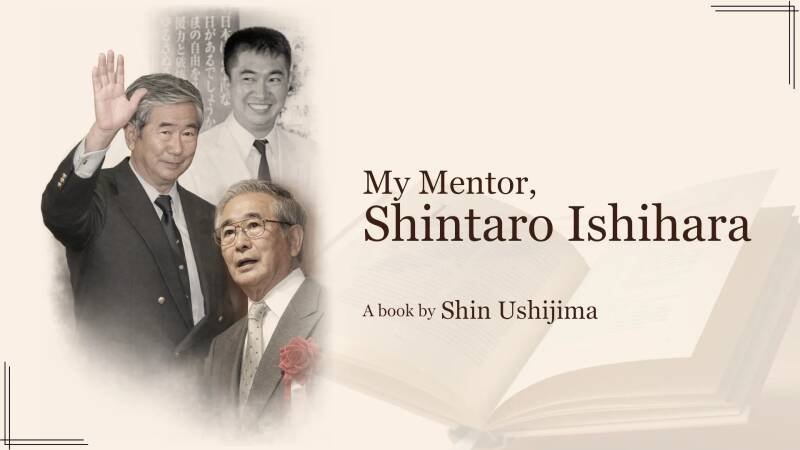
Shin Ushijima, a lawyer and author, delves into the complex character of Shintaro Ishihara in a recent excerpt from his book, published on JAPAN Forward. Chapter 1.4, titled "Letters and Politics," examines Ishihara's early life as a novelist, focusing on his rapid rise to literary fame during his college years and how that shaped his later political career. This exploration provides valuable insight into the making of a controversial and influential figure in modern Japanese history.
Ishihara: From Literary Sensation to Political Powerhouse
Ishihara burst onto the literary scene with his novel "Season of the Sun" while still a student. The book's themes of youthful rebellion and hedonism resonated with a post-war generation, instantly catapulting him to national recognition. Ushijima's work aims to connect Ishihara's literary beginnings with his subsequent, and often polarizing, political career. It invites readers to consider how his early artistic sensibilities influenced his later decisions and ideologies.
Why This News Matters
Understanding Shintaro Ishihara is crucial to understanding post-war Japanese political discourse. He was a major voice in conservative politics for decades, advocating for a more assertive Japan on the world stage. His views, although controversial, significantly shaped public opinion and influenced policy decisions. Learning about his background, as Ushijima presents it, helps us grasp the roots of contemporary Japanese nationalism and its place in the global order.
Our Analysis
In our opinion, Ushijima's approach of connecting Ishihara's literary work with his political actions is a insightful one. It moves beyond simplistic labels and seeks to understand the man's motivations and intellectual development. We believe that this kind of nuanced biographical work is essential for informed political analysis.
Ishihara’s early literary success undoubtedly gave him a platform and a degree of confidence that propelled his later political ambitions. He understood how to capture public attention and shape narratives – skills honed through his writing. However, the transition from literary fame to political power also highlights the potential for artistic expression to be used for political ends, sometimes in ways that are divisive. This could impact how future political figures harness media and the arts.
Future Outlook
While Ishihara is no longer alive, his influence on Japanese politics continues to be felt. His ideas, particularly those related to national identity and security, resonate with certain segments of the population. Ushijima's book provides context for understanding the ongoing debates surrounding these issues.
Examining Ishihara's Enduring Legacy
The exploration of Ishihara's life and career is relevant to a global audience, as it provides a case study of how cultural figures can transition into political leaders, wielding significant power and influence. It forces us to examine the complex relationship between art, politics, and national identity, asking how these forces shape both domestic and international relations. The book could influence the way historians assess political figures and their legacies.
Furthermore, this analysis can inform strategies for countering misinformation and promoting constructive dialogue in politically polarized environments. The legacy of Ishihara continues to shape Japanese politics, and understanding that legacy is crucial for navigating the challenges and opportunities of the 21st century. This could impact future discussions surrounding Japanese identity and its place on the world stage.