Russian Attacks in Dnipropetrovsk: Understanding the Impact and Future Outlook
Recent Russian attacks in Dnipropetrovsk region injured civilians. Understand the strategic implications, future risks, and expert analysis of the ongoing conflict.
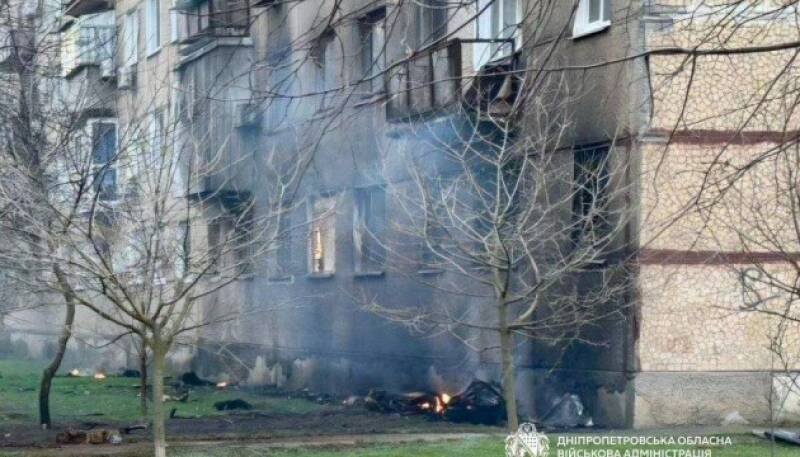



Recent Russian attacks in Dnipropetrovsk region injured civilians. Understand the strategic implications, future risks, and expert analysis of the ongoing conflict.
In a recent escalation of the ongoing conflict, Russian forces have launched over 30 attacks on the Dnipropetrovsk region of Ukraine. The targeted districts include Kryvyi Rih, Nikopol, and Synelnykove. These attacks, carried out with drones and artillery, have resulted in injuries to at least two civilians.
The attacks highlight the continued vulnerability of civilian populations in the region and underscore the intensity of the conflict. Understanding the geographical context and strategic significance of these locations is crucial for grasping the broader implications of these attacks.
The repeated targeting of Dnipropetrovsk demonstrates Russia's continued focus on destabilizing key regions within Ukraine. These attacks aren't just about military gains; they are designed to disrupt civilian life, damage infrastructure, and sow fear among the population. The human cost of this conflict continues to rise, emphasizing the urgent need for diplomatic solutions and humanitarian aid.
Furthermore, the use of both drones and artillery suggests a coordinated strategy aimed at overwhelming Ukrainian defenses. This puts immense pressure on local emergency services and strains the resources available to protect civilian populations.
In our opinion, these attacks represent a deliberate effort to exert pressure on Ukraine's industrial and agricultural heartland. By targeting Kryvyi Rih, Nikopol, and Synelnykove, Russia aims to weaken Ukraine's economic capabilities and undermine the morale of its citizens. The choice of targets also suggests a focus on disrupting supply lines and communication networks.
The relatively high frequency of attacks (over 30) indicates a sustained and coordinated effort, rather than isolated incidents. This raises concerns about the potential for further escalation and the need for increased international monitoring and support.
This could impact Ukraine's ability to sustain its war effort, given Kryvyi Rih's industrial power. The strikes near Nikopol, too, are likely an attempt to dislodge Ukrainian forces from favorable positions.
Looking ahead, the situation in Dnipropetrovsk remains precarious. We anticipate continued attacks in the region, potentially targeting critical infrastructure and civilian areas. The effectiveness of Ukrainian air defenses and the availability of international aid will be crucial factors in mitigating the impact of these attacks. Diplomatic efforts to de-escalate the conflict must be prioritized to prevent further loss of life and widespread destruction.
In the long term, the region faces significant challenges in rebuilding its infrastructure and economy. The psychological impact of the conflict on the civilian population will also require sustained attention and support. The international community must play a vital role in providing humanitarian assistance, economic aid, and security guarantees to help Ukraine recover and rebuild.
It is likely that Russia will continue to test Ukrainian defenses, and the potential for a larger offensive in the region remains a concern. We believe it is paramount for international actors to provide the support and resources needed to protect Ukrainian citizens from further harm.