Retired PWD Officer's Assets Raid: Understanding the Implications
Economic Offenses Wing uncovers ₹5.47 crore in assets from a retired PWD officer. Explore the details, implications, and future outlook of this case.



Economic Offenses Wing uncovers ₹5.47 crore in assets from a retired PWD officer. Explore the details, implications, and future outlook of this case.
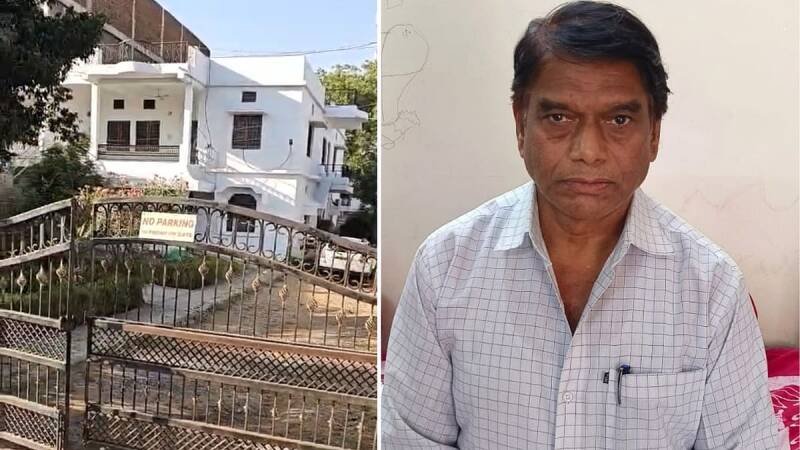
The Economic Offences Wing (EOW) in Bhopal has recently made headlines with a significant raid on the property of Mahendra Nagwanshi, a retired sub-divisional officer of the Public Works Department (PWD) in Chhindwara. The raid uncovered assets allegedly disproportionate to his known sources of income, currently valued at a staggering ₹5.47 crore.
According to reports, the EOW's operation led to the seizure of a variety of assets, including:
The investigation is still ongoing, and the total value of assets is expected to increase as officials continue to scrutinize lockers and bank records associated with Nagwanshi.
This case highlights the ongoing battle against corruption within government departments in India. Such discoveries erode public trust and divert resources that could be used for essential services. By exposing alleged ill-gotten wealth, the EOW's actions serve as a deterrent and reinforce the importance of accountability among public servants.
Furthermore, the scale of the alleged disproportionate assets raises serious questions about oversight and internal controls within the PWD. How could such a significant accumulation of wealth go unnoticed for so long? This incident emphasizes the need for systemic reforms to prevent future instances of corruption.
In our opinion, this case is more than just about one individual. It's a symptom of a larger problem within certain government sectors where opportunities for corruption exist and are potentially exploited. The fact that this individual was able to accumulate such a vast amount of wealth, allegedly through illicit means, suggests potential weaknesses in the auditing and monitoring processes.
We believe that a thorough investigation is necessary to determine the full extent of the corruption, including whether other individuals were involved. This could potentially uncover a larger network of corruption that needs to be dismantled.
The future implications of this case are significant. The EOW's investigation will likely extend beyond Nagwanshi himself, potentially leading to further arrests and uncovering other instances of corruption. This could impact the reputation and operations of the PWD, leading to increased scrutiny and reforms within the department. This could result in stricter regulations and more rigorous oversight of government employees involved in public projects and finances.
Furthermore, the outcome of this case will set a precedent for future anti-corruption efforts. A successful prosecution and asset recovery will send a strong message to other potential offenders, deterring similar activities. Conversely, a lenient outcome could embolden corrupt practices and undermine public trust in the legal system.
This case underscores the importance of transparency and accountability in governance. It highlights the need for robust mechanisms to detect and prevent corruption at all levels of government. Only through such measures can we ensure that public resources are used for the benefit of all citizens, not just a select few. In our opinion, the EOW's actions are a step in the right direction, and it is crucial that they continue to pursue such cases rigorously.
This could impact citizens, who are looking for transparency from their government, and hoping to see that corruption will be dealt with appropriately.