Remembering Cesar Chavez: Legacy, Analysis, and Future Impact
Examining Cesar Chavez's legacy of labor rights and social justice, analyzing its impact, and considering its future relevance in today's world.
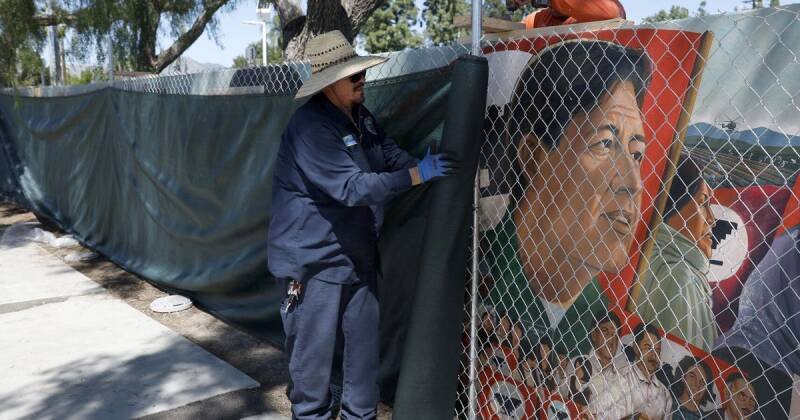



Examining Cesar Chavez's legacy of labor rights and social justice, analyzing its impact, and considering its future relevance in today's world.
Cesar Chavez remains a pivotal figure in American history, particularly for his tireless advocacy for farmworkers' rights. He co-founded the United Farm Workers (UFW) union and led numerous strikes, boycotts, and protests that brought national attention to the plight of agricultural laborers. But what is his true legacy, and how does it resonate today?
Chavez's work went beyond simply demanding better wages. He fought for dignity, respect, and safe working conditions for a largely marginalized and exploited workforce. He brought attention to issues like pesticide exposure, lack of access to clean water, and the overall inhumane treatment experienced by farmworkers. He reminded the world that the food on our tables came at the cost of human suffering.
His approach was rooted in nonviolent resistance, drawing inspiration from Mahatma Gandhi and Martin Luther King Jr. This commitment to peaceful protest resonated with many and helped build broad public support for the UFW's cause.
Understanding Cesar Chavez's legacy is crucial for several reasons:
Cesar Chavez was undeniably a transformative figure. However, his legacy is not without its complexities. Some critics point to internal union politics and perceived authoritarian tendencies. It's important to acknowledge these criticisms while recognizing the undeniable positive impact he had on the lives of countless farmworkers. In our opinion, a balanced view is essential when evaluating any historical figure.
Chavez's effectiveness stemmed from his ability to connect with people on a personal level. He understood their struggles, shared their values, and inspired them to believe that change was possible. He was a master of grassroots organizing and media savvy, effectively using boycotts and public demonstrations to pressure growers and raise awareness.
His commitment to nonviolence was a key factor in gaining public sympathy. The contrast between peaceful protestors and heavily armed law enforcement officers vividly illustrated the power imbalance at play.
The challenges facing farmworkers today are different, but the underlying issues of economic inequality and exploitation persist. The UFW continues to fight for fair wages, safe working conditions, and immigration reform. The current political climate presents both challenges and opportunities for labor organizing.
Technological advancements in agriculture could further displace workers and exacerbate existing inequalities. On the other hand, increased awareness of ethical sourcing and sustainable agriculture could create new opportunities for farmworkers to organize and demand better treatment. This could impact consumer choices and ultimately influence the practices of agricultural businesses.
In our opinion, the lessons learned from Cesar Chavez's work remain relevant. Building coalitions, using creative tactics, and staying true to core values are essential for achieving social justice. The fight for farmworkers' rights, like so many other fights for equality, is an ongoing process. Chavez's legacy serves as a constant reminder that progress requires vigilance, persistence, and a unwavering commitment to justice.
























