Rare Orcas Visit Seattle: What This Means for Whale Populations
A pod of orcas, possibly from Alaska, recently visited Seattle, thrilling whale watchers. Learn why this is significant and what it could mean for the future.
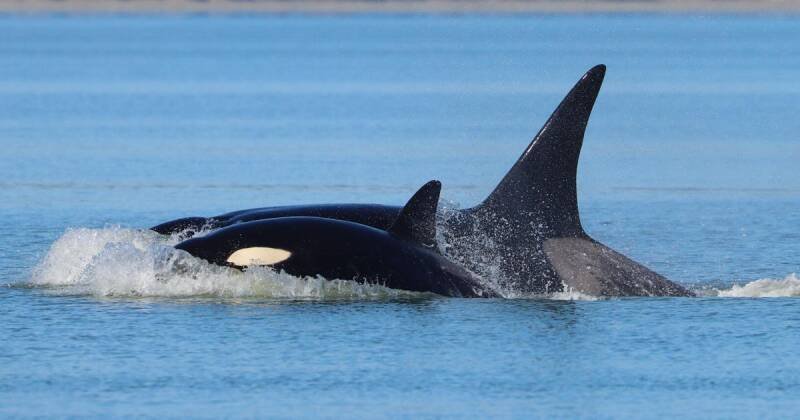



A pod of orcas, possibly from Alaska, recently visited Seattle, thrilling whale watchers. Learn why this is significant and what it could mean for the future.
Seattle residents and whale watchers were recently treated to a spectacular sight: a pod of orcas, also known as killer whales, ventured into the waters around the city. These particular orcas are believed to originate from Alaska, making their appearance in Seattle a rare and exciting event.
While specific details about the pod are still being gathered, conservation officials have tentatively identified them as likely coming from Alaskan waters. This is based on visual observations and comparisons with existing data on orca populations across the Pacific Northwest. The orcas spent time feeding and socializing in the area, much to the delight of onlookers.
Orca populations, particularly the Southern Resident orcas that frequent the Puget Sound, are facing numerous threats, including food scarcity, pollution, and vessel traffic. This visit from potentially Alaskan orcas is significant for several reasons:
In our opinion, the appearance of these orcas is a positive sign. It suggests a resilience within these intelligent creatures and a willingness to adapt and explore. However, it's also a stark reminder of the challenges they face. The fact that they may be venturing further south, potentially searching for food, underscores the need to protect and restore the health of the marine ecosystem in the Puget Sound and beyond.
The Southern Resident orcas, a critically endangered population, rely heavily on Chinook salmon. Declining salmon populations, due to factors like habitat loss and overfishing, are a major contributing factor to their decline. The Alaskan orcas, if they choose to remain in the area, could potentially compete with the Southern Residents for resources, adding another layer of complexity to the situation.
Numerous organizations are working to protect orcas and their habitat. These efforts include:
The long-term impact of this visit remains to be seen. Will these Alaskan orcas stay in the Seattle area? Will they interact with the Southern Resident orcas? These are questions that researchers will be closely monitoring in the coming months. This could impact where future conservation efforts are focussed in the region.
What happens next depends on several factors, including the availability of food, the overall health of the marine ecosystem, and the success of ongoing conservation initiatives. Continued research and monitoring are crucial to understanding the behavior of orcas and implementing effective strategies to protect them.
Ultimately, the appearance of these Alaskan orcas offers a glimmer of hope, but it also serves as a call to action. We must continue to work together to ensure the survival of these magnificent creatures for generations to come.
























