Ramayana Part 1: First Look Analysis & Why It Matters
Analyze the Ramayana Part 1 teaser featuring Ranbir Kapoor as Rama. Explore iconic moments, potential impact, and future outlook for this epic film.
Ramayana Part 1: First Look Unveils Ranbir Kapoor as Rama – A Deep Dive
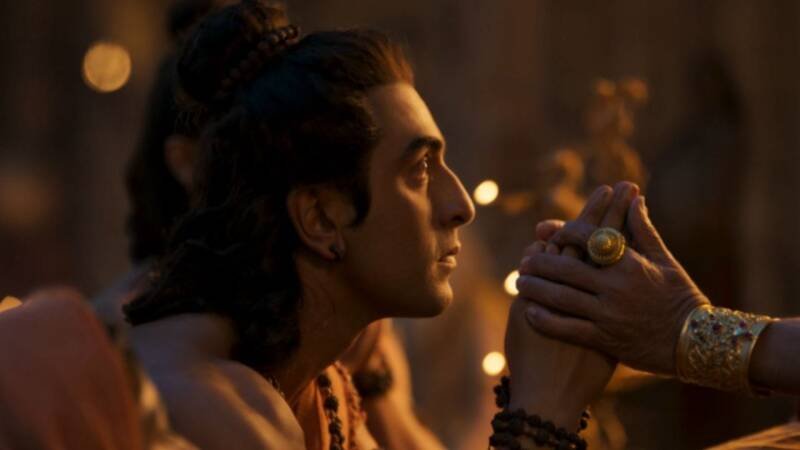
The highly anticipated teaser for "Ramayana Part 1," starring Ranbir Kapoor as Lord Rama, has finally dropped, and it's generating quite a buzz. While short, the teaser packs in several pivotal moments from the epic Ramayana, offering a glimpse into director Nitesh Tiwari's vision. Let's break down the key highlights and discuss why this project is so significant.
Key Moments Revealed in the Teaser
The teaser smartly incorporates some iconic moments into the visuals. Here are five major highlights that caught our eye:
- The Battle with Tataka: We see a brief glimpse of Rama, presumably still a young prince, engaging in battle with the demoness Tataka. This scene establishes Rama's early heroism and his divine purpose.
- Breaking Shiva's Bow: This crucial event, where Rama proves his strength and worthiness to marry Sita, is hinted at. The broken bow symbolizes the shattering of the old order and the beginning of Rama's journey.
- Rama's Stance: The teaser does give us a glimpse of Rama aiming an arrow. This is symbolic of the trials and tribulations to come for our hero.
- Hanuman: The teaser shows us a glimpse of Hanuman, and we can see that he is clearly in the form of a 'Vaanar'. This is how we expect it to be in this day and age.
- Ravana's Pushpaka Vimana: The teaser concludes with a shot of Ravana's flying chariot, the Pushpaka Vimana. This establishes Ravana as a powerful adversary and sets the stage for the epic conflict to come.
Why This News Matters
The Ramayana is more than just a story; it's a cornerstone of Indian culture and a source of deep spiritual significance. Any adaptation of this epic is bound to attract immense attention and scrutiny. The casting of Ranbir Kapoor as Rama has already sparked debate, and this teaser will only fuel further discussion about the film's interpretation and portrayal of the revered characters. The box office success of the movie could signal a shift in popularity of mythological movies in the modern Indian cinema.
Our Analysis
The teaser effectively captures the grand scale and visual spectacle one would expect from a project of this magnitude. The glimpses of the iconic moments are well-chosen, generating curiosity and anticipation. The music and visual effects seem promising, suggesting a high production value.
However, the teaser also leaves several questions unanswered. The tone and style of the film remain somewhat ambiguous. While the visuals are impressive, the teaser doesn't reveal much about the characterizations or the overall narrative approach.
In our opinion, the success of "Ramayana Part 1" will depend on its ability to balance reverence for the source material with a fresh and engaging cinematic interpretation. The filmmakers need to stay true to the core values and emotions of the Ramayana while also making it relatable and appealing to a modern audience.
The production value looks to be high, with well-crafted visuals. We think the director Nitesh Tiwari, known for his work on films like "Dangal" and "Chhichhore," could be a good choice.
Future Outlook
The release of "Ramayana Part 1" is likely to be a major cinematic event. The film has the potential to break box office records and spark widespread cultural conversation.
This could impact the future of mythological filmmaking in India. If successful, it could pave the way for more ambitious and high-budget adaptations of other Indian epics and stories. On the other hand, a negative reception could make producers and studios more cautious about investing in similar projects. The portrayal of the characters are key to the success of such a sensitive movie, and it remains to be seen if Ranbir Kapoor can do justice to the role of Rama.
The key to the films success will be word of mouth and if the audience believes that the film has done justice to the source material.