Port Colborne Wetland Project: Reducing Flood Risk and Enhancing Environment
Port Colborne and the federal government are partnering to build a wetland in Centennial Park to mitigate flooding. Learn about the project details, its benefits, and the future outlook.
Port Colborne to Build Wetland for Flood Control in Centennial Park
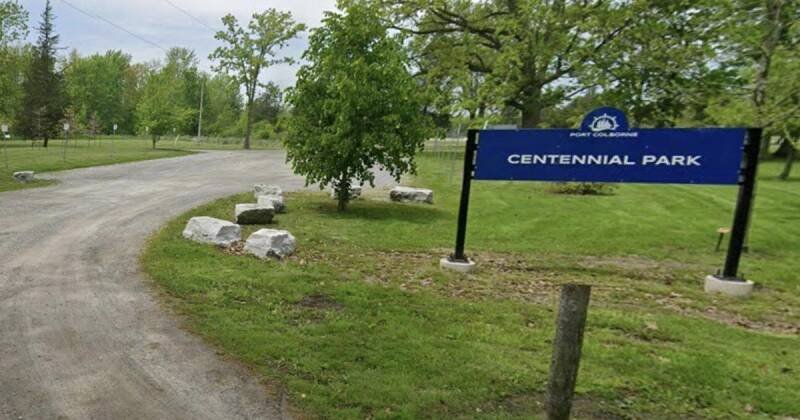
Port Colborne is teaming up with the federal government to construct a new wetland in Centennial Park. The project aims to reduce the risk of flooding in the area, a growing concern due to increasingly severe weather patterns. Construction is slated to begin this summer and could take up to three years to complete, with an expected finish date sometime in 2027.
Project Details
The ambitious project involves transforming a portion of Centennial Park into a natural wetland. Wetlands act as natural sponges, absorbing excess water during periods of heavy rainfall and slowly releasing it back into the environment. This helps to prevent rapid runoff that can overwhelm drainage systems and cause flooding. The new wetland will be carefully designed to maximize its water storage capacity and effectiveness.
The project isn't just about flood control, however. It also seeks to enhance the ecological value of Centennial Park. Wetlands are vital ecosystems that support a diverse range of plant and animal life. The new wetland will provide habitat for various species, contributing to the overall biodiversity of the region.
Why This News Matters
This project is significant for several reasons. First and foremost, it addresses a critical need for flood mitigation in Port Colborne. As climate change continues to bring more intense and frequent rainfall events, communities need to adapt and invest in infrastructure that can protect residents and businesses.
Second, it showcases a proactive approach to environmental stewardship. By creating a wetland, the project not only reduces flood risk but also enhances the natural environment and supports biodiversity. This demonstrates a commitment to sustainable development and creating a healthier community.
Third, the partnership between Port Colborne and the federal government highlights the importance of collaboration in addressing complex challenges. Funding and expertise from both levels of government are essential for bringing such projects to fruition.
Our Analysis
In our opinion, this wetland project is a smart and necessary investment for Port Colborne. The city is becoming more and more aware of environmental issues, but also has real problems that can cost residents a lot of money with flooding. Building infrastructure that helps and works with the environment, is a smart move that can help keep taxes low for the people in Port Colborne. The combination of flood control and environmental enhancement makes it a win-win for the community. The fact that is is a partnership with the federal government is great news.
The three-year timeline may seem lengthy, but it's important to remember that creating a thriving wetland ecosystem takes time. Proper planning, design, and construction are crucial to ensure the long-term success of the project.
The community will also need to be informed about the project and its benefits. Public engagement and education will be key to ensuring that residents understand and support the wetland's development.
Future Outlook
The success of this project could serve as a model for other communities facing similar challenges. As climate change impacts become more pronounced, more municipalities will likely need to invest in nature-based solutions like wetlands to mitigate flood risk and enhance environmental resilience.
This could impact local tourism. The constructed wetland could be a local attraction. Local hotels, bed and breakfasts, restaurants, and shops could see an increase in visitors who would like to see this new environment-friendly place.
Potential Challenges
While the project holds great promise, there are also potential challenges to consider. Maintaining the wetland's health and effectiveness will require ongoing monitoring and management. Factors like invasive species, water quality, and sedimentation could impact the wetland's performance over time. Adequate funding and resources will need to be allocated to address these challenges.
Long-Term Benefits
Despite these challenges, the long-term benefits of the wetland project are likely to outweigh the costs. By reducing flood risk, enhancing the environment, and promoting sustainable development, the project will contribute to a more resilient and thriving community for generations to come. This project showcases how nature-based solutions can be integrated into urban planning to address environmental challenges.