Pope Denounces Iran War: A Call for Peace and Negotiation
Pope Leo XIV condemns the US-Israeli war in Iran, urging leaders to negotiate peace and highlighting the dangers of a "delusion of omnipotence." Our analysis of the Pope's statement and its potential impact.
Pope Leo XIV Condemns Iran War, Urges Negotiation
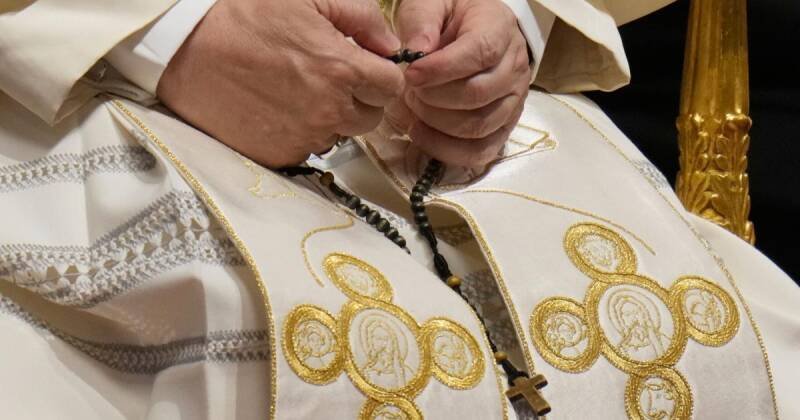
Pope Leo XIV has strongly criticized the ongoing war in Iran, specifically calling out what he describes as a "delusion of omnipotence" driving the conflict between the United States, Israel, and Iran. He made these powerful remarks during an evening prayer service on Saturday, marking his most forceful condemnation of the war to date. The Pope's intervention adds a significant voice to the global call for de-escalation and peaceful resolution.
The Pope's Key Message
The core of Pope Leo XIV's message centers on the dangers of believing in unchecked power. He argues that this "delusion of omnipotence" blinds political leaders to the devastating consequences of their actions and prevents them from pursuing diplomatic solutions. He firmly urged all parties involved to immediately cease hostilities and engage in meaningful negotiations.
Why This News Matters
The Pope's condemnation is significant for several reasons:
- Moral Authority: The Pope holds immense moral authority, especially for the world’s 1.3 billion Catholics. His words carry considerable weight on the international stage.
- Global Influence: The Vatican has a long history of diplomatic engagement and can potentially serve as a mediator in this conflict.
- Raising Awareness: The Pope's statement brings renewed attention to the devastating human cost of the war in Iran.
- Challenging Power Dynamics: By directly criticizing the "delusion of omnipotence," he's challenging the power structures that perpetuate conflict.
Our Analysis
In our opinion, Pope Leo XIV's intervention is a crucial moment in the ongoing crisis. His direct condemnation of the "delusion of omnipotence" is a powerful indictment of the mindset that often fuels international conflicts. It's a call for humility and recognition of the limitations of power, urging leaders to prioritize dialogue over aggression. His statement reflects deep concern for the humanitarian crisis unfolding in Iran and the potential for further escalation.
The Pope's words resonate particularly strongly given the complexities of the US-Israel-Iran relationship. The historical tensions, political maneuvering, and deeply entrenched ideologies make finding a peaceful resolution incredibly challenging. His call for negotiation is a reminder that even in the face of seemingly insurmountable obstacles, diplomacy remains the only viable path to lasting peace.
Future Outlook
The immediate impact of the Pope’s statement remains to be seen. However, several potential outcomes are possible:
- Increased Pressure for Diplomacy: The Pope’s words could increase pressure on the US, Israel, and Iran to engage in negotiations.
- Potential for Vatican Mediation: The Vatican might offer its services as a mediator, providing a neutral platform for discussions.
- Shifting Public Opinion: The Pope's condemnation could influence public opinion, particularly within the Catholic community and beyond, leading to greater calls for peace.
- Possible Backlash: It's possible that some political leaders will reject the Pope's criticism and continue to pursue their current course of action.
This could impact political relationships and create a more divided geopolitical landscape. However, the moral authority and global reach of the papacy cannot be ignored.
Ultimately, the success of the Pope's plea for peace hinges on the willingness of political leaders to heed his call and prioritize diplomacy over conflict. The world is watching, hoping that his message will inspire a new commitment to resolving the crisis in Iran through peaceful means. The coming weeks will be crucial in determining whether this call for negotiation will be heeded.