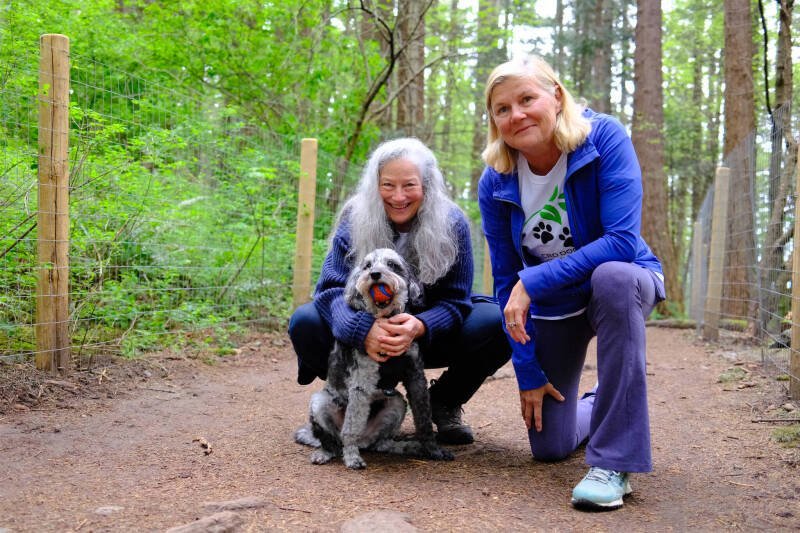
PKOLS Fencing Sparks Controversy: What it Means for Saanich Dog Owners
Saanich Council's decision to fund additional fencing for PKOLS (Mount Douglas Park) has ignited debate. Learn why dog owners are upset, what it means for the future of leash-optional areas, and our in-depth analysis.
Saanich Dog Owners Outraged Over PKOLS Fencing Funding
Saanich Council has approved an additional $244,000 to expand fencing around leash-optional trails in PKOLS (Mount Douglas Park). This decision has sparked considerable anger and frustration within the local dog-owning community, who feel their needs are being overlooked.
What's Happening?
The additional funding is intended to further enclose leash-optional areas within the park, seemingly aiming to better control dog activity and potentially mitigate conflicts with other park users, wildlife, and sensitive ecosystems. This builds upon existing fencing initiatives already in place at PKOLS.
Why This News Matters
This seemingly small local news item touches upon several important issues:
- Access to Public Spaces: It highlights the ongoing debate about how shared public spaces are allocated and managed, especially when different user groups have conflicting needs.
- Responsible Pet Ownership: It raises questions about the role of responsible dog ownership in managing potential conflicts within public parks.
- Community Engagement: It underscores the importance of transparent and inclusive community engagement processes when making decisions that affect residents' access to recreational areas.
- Budget Allocation: It showcases how local government prioritizes certain projects and uses public funds, often leading to scrutiny from different segments of the community.
Our Analysis
The root of the issue appears to be a perceived lack of consultation with dog owners before the additional funding was approved. The "simply unacceptable" comment from the Saanich dog group indicates a deep sense of frustration and a feeling of being unheard. It's not just about the fencing itself; it's about the process. In our opinion, a more inclusive and collaborative approach could have led to a solution that better accommodates the needs of all park users.
This incident also reflects a broader tension between managing natural ecosystems and providing recreational opportunities for residents. Balancing these competing priorities requires careful planning, thoughtful consideration of diverse perspectives, and a commitment to finding mutually agreeable solutions.
Potential Downsides of Increased Fencing
While the council likely intends to improve safety and minimize environmental impact, extensive fencing could have unintended consequences:
- Reduced Exercise Opportunities for Dogs: Smaller or more confined leash-optional areas could limit the ability of dogs to exercise and socialize properly.
- Aesthetic Impact: Extensive fencing can detract from the natural beauty of the park, impacting the overall experience for all visitors.
- Increased Maintenance Costs: Fencing requires ongoing maintenance and repairs, adding to the long-term financial burden on taxpayers.
Future Outlook
The controversy surrounding the PKOLS fencing highlights the need for ongoing dialogue between Saanich Council, dog owners, and other stakeholders. The future of leash-optional areas in the park, and potentially in other Saanich parks, hinges on finding common ground and developing solutions that are both environmentally responsible and responsive to the needs of the community.
This could impact future park funding decisions and potentially lead to stricter regulations regarding off-leash dogs in public spaces throughout Saanich. It is imperative that the council actively engages with the community to address their concerns and explore alternative solutions that promote responsible pet ownership and preserve the natural beauty of PKOLS.
Going forward, we hope to see a greater emphasis on collaboration and compromise to ensure that PKOLS remains a valuable resource for all Saanich residents. Public forums, surveys, and ongoing communication can help foster a more inclusive and transparent decision-making process.