Pickleball Injuries: Prevention Tips, Expert Analysis, and Future of the Sport
Learn how to prevent pickleball injuries with expert advice from a shoulder surgeon. Understand the risks, benefits, and future of this popular sport.
How to Prevent Pickleball Injuries: Expert Advice and Future Outlook
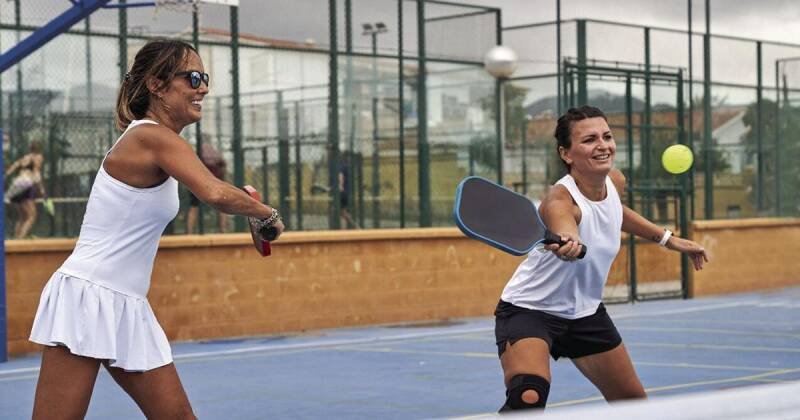
Pickleball is sweeping the nation! But with its soaring popularity, concerns about injuries are also on the rise. If you're hesitant to pick up a paddle because of the reported increase in pickleball-related injuries, don't let that stop you. Leading shoulder surgeon, Dr. Ilya Voloshin, offers some reassuring perspectives and actionable advice to keep you safe and enjoying the game.
Understanding Pickleball's Injury Profile
Many news outlets have highlighted the increase in pickleball injuries. While it's true that more people are getting hurt playing the sport, it's crucial to remember that more people are *playing* the sport than ever before! The increase in injuries is, in part, a reflection of the game's explosive growth.
Dr. Voloshin emphasizes that many pickleball injuries are preventable. They often stem from:
* **Lack of proper warm-up:** Jumping into a game without preparing your muscles is a recipe for strain.
* **Inadequate stretching:** Flexibility is key to preventing pulls and tears.
* **Overuse:** Playing too much, too soon, can lead to overuse injuries.
* **Poor technique:** Incorrect form can put undue stress on joints.
Practical Tips to Stay Safe on the Court
Here are some proactive steps you can take to minimize your risk of injury:
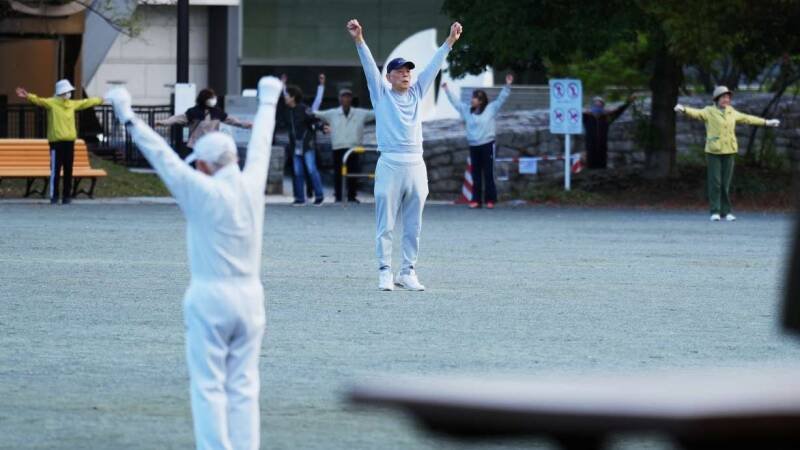
* **Warm-up thoroughly:** Before each game, spend at least 10-15 minutes warming up your muscles with light cardio and dynamic stretching. Focus on your shoulders, knees, and ankles.
* **Stretch regularly:** Incorporate static stretching into your routine, holding each stretch for 20-30 seconds. Pay attention to major muscle groups used in pickleball, such as your hamstrings, calves, quadriceps, and shoulders.
* **Gradually increase playing time:** Don't overdo it when you're first starting out. Gradually increase the amount of time you spend playing to allow your body to adapt.
* **Use proper equipment:** Make sure your paddle is the right size and weight for you, and wear supportive shoes with good traction.
* **Learn proper technique:** Consider taking a lesson from a qualified pickleball instructor to learn the correct form for hitting and moving on the court.
* **Listen to your body:** If you experience pain, stop playing and rest. Don't push through the pain, as this could lead to a more serious injury.
Why This News Matters
The rising popularity of pickleball is undeniably a positive trend, encouraging activity and social interaction for people of all ages. However, ignoring the potential for injuries could discourage people from participating and enjoying the sport. Understanding the risks and taking preventive measures ensures that pickleball remains a healthy and enjoyable activity for everyone. It also alleviates pressure on healthcare systems due to avoidable injuries.
Our Analysis
The focus on pickleball injuries is a classic example of how statistics can be misleading. While the numbers might seem alarming, a more nuanced perspective reveals that the increased injury rate is partly due to the sport's phenomenal growth. By understanding the root causes of these injuries (lack of warm-up, poor technique, etc.), players can significantly reduce their risk. In our opinion, emphasizing prevention is far more productive than simply highlighting the negative aspects of the sport.
Furthermore, the age demographic of many pickleball players (often older adults) contributes to the risk profile. Pre-existing conditions like arthritis can make players more susceptible to injuries. Tailoring warm-up and stretching routines to address these specific needs is crucial.
Future Outlook
As pickleball continues to evolve, we anticipate a greater emphasis on injury prevention and player safety. This could involve:
* **Standardized warm-up protocols:** Organizations might develop and promote recommended warm-up routines specific to pickleball.
* **Improved coaching and instruction:** A greater focus on teaching proper technique from the outset could reduce the risk of injuries.
* **Better equipment design:** Manufacturers might develop equipment that is more ergonomic and reduces stress on joints.
* **Increased awareness:** Public health campaigns could educate players about the importance of warm-up, stretching, and listening to their bodies.
This could impact the growth of the sport by making it safer and more accessible to a wider range of people. Ultimately, the future of pickleball depends on ensuring that it remains a fun, engaging, and *safe* activity for everyone.












![Karapadi Health Camp: A Lifeline After Months of Need | [Your Publication Name]](https://globalnewstoday.live/uploads/news/news_1777234516_Lb87XY.jpg)