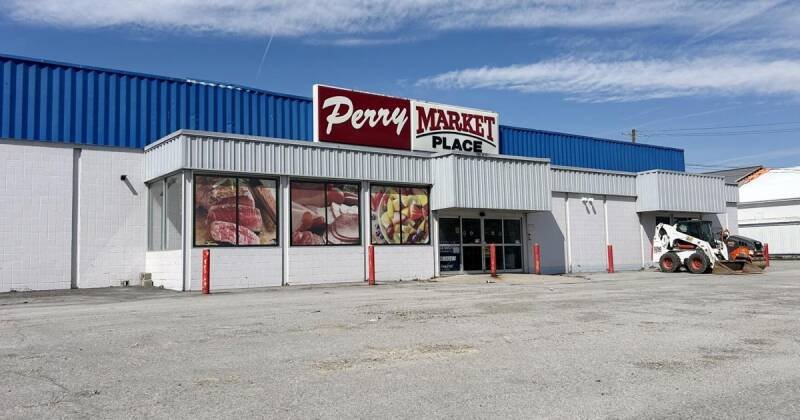
Perry Market Place Closure: The Search for a New Supermarket and What It Means for the Community
The Perry Market Place is closed, leaving a hole in the community. We examine the ongoing efforts to find a new owner, the implications for residents, and the potential future.
Perry Market Place Closure: The Search for a New Supermarket and What It Means for the Community
The Perry Market Place, once a bustling hub for groceries and community interaction, has closed its doors. The auction of its interior equipment signals a significant shift, but the story doesn't end there. A determined effort is underway to find a new supermarket to fill the void left behind.
What Happened to Perry Market Place?
While the exact reasons for the closure haven't been widely publicized, the absence of a local supermarket can have ripple effects throughout a community. Often, closures are the result of a complex interplay of factors, including competition from larger chains, changing consumer habits (like increased online shopping), and rising operational costs.
The Auction: A Sign of Change
The online auction of the former Perry Market Place's equipment is a necessary step in the process of preparing the property for a new owner or purpose. This includes everything from refrigerators and shelving to checkout counters and other essential grocery store infrastructure. While it signifies the end of one chapter, it also paves the way for a new beginning.
Why This News Matters
The closure of a supermarket, especially in a smaller community like Perry, represents more than just the loss of a place to buy groceries. It can significantly impact residents' access to fresh and affordable food, potentially creating what is known as a "food desert" or "food apartheid."
This can be particularly challenging for:
- Elderly residents with limited mobility
- Low-income families who rely on local stores
- Individuals without access to reliable transportation
The absence of a supermarket also has economic consequences, as it can lead to a decline in foot traffic for surrounding businesses and decrease property values in the area. Therefore, the effort to find a new supermarket is crucial for the well-being of the entire community.
Our Analysis
In our opinion, the urgency to find a replacement supermarket in Perry is justified. The potential negative impacts of a prolonged absence of a grocery store are considerable. A proactive approach by local authorities and community leaders is essential to attract potential investors and ensure a viable solution.
The success of attracting a new supermarket will depend on several factors, including:
- Incentives offered to potential businesses (e.g., tax breaks, zoning adjustments)
- Demonstrating the market demand for a supermarket in Perry
- Addressing any infrastructure challenges that may exist
The type of supermarket that would be most successful also warrants consideration. A smaller, community-focused grocer might be more sustainable than a large chain store, particularly given the changing retail landscape.
Future Outlook
The future of the Perry Market Place site remains uncertain, but the ongoing efforts to find a new supermarket are encouraging. The next few months will be critical in determining the long-term outcome.
This could impact several things including:
- Local Economy: A new supermarket can revitalize the local economy and provide job opportunities.
- Property Values: Re-establishing a supermarket could help sustain and even increase property values in the area.
- Community Well-being: Access to fresh and affordable food is essential for the health and well-being of residents.
Moving forward, community involvement will be key. Residents should voice their needs and preferences to local leaders and potential investors. A collaborative approach will be essential to ensure that a sustainable and beneficial solution is found for the Perry Market Place site. The situation in Perry highlights the importance of supporting local businesses and addressing the challenges faced by smaller communities in maintaining essential services like grocery stores.