Pakistan Urges US to Release Seized Ship Bound for Iran
Pakistan calls on the US to end the blockade of an Iranian port and release a seized ship. Learn about the implications and future outlook.
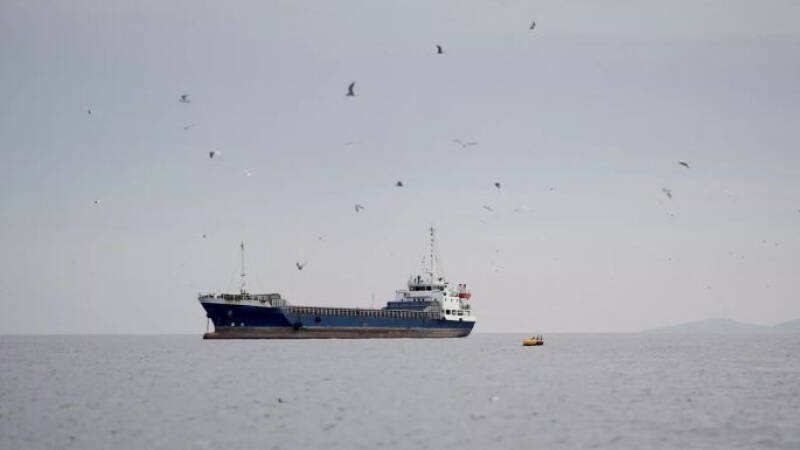



Pakistan calls on the US to end the blockade of an Iranian port and release a seized ship. Learn about the implications and future outlook.
Pakistan has officially urged the United States to end what it describes as a blockade of an Iranian port and release a ship that was seized en route. The specifics of the seizure, including the ship's name, cargo, and exact location of the interception, have not been widely publicized. However, the Pakistani government’s statement highlights the growing concerns surrounding the impact of international sanctions and maritime restrictions on regional trade.
The request centers around a ship reportedly destined for an Iranian port that was seized by US authorities. Details regarding the specific reasons for the seizure are scarce, but it is likely linked to the existing US sanctions regime against Iran. These sanctions aim to limit Iran’s access to resources that could support its nuclear program or other activities deemed destabilizing by the US government. The ship's cargo is a key element. If it contained items prohibited under US sanctions, the seizure would align with established US policy.
While Pakistan has requested the ship's release, a timeline for any action has not been set, indicating the complexity of the situation and the ongoing diplomatic efforts required to resolve it.
This seemingly isolated incident underscores a larger, more significant geopolitical reality. It highlights the delicate balancing act Pakistan must perform in its foreign policy. Pakistan maintains close ties with both the US and Iran, two nations with a complex and often strained relationship. Any disruption to trade and maritime activity in the region can have significant economic consequences for Pakistan, especially given its current economic challenges.
Moreover, this situation brings into focus the effectiveness and fairness of international sanctions. While the US argues that sanctions are necessary to curb Iran's nuclear ambitions, critics contend that they disproportionately harm ordinary citizens and hinder humanitarian efforts. The Pakistani government's appeal can be interpreted as a subtle critique of the broad-reaching nature of these sanctions and their impact on regional stability.
In our opinion, this situation is more than just a simple maritime incident. It is a reflection of the complex web of international relations and the challenges faced by countries navigating conflicting interests. Pakistan's appeal to the US suggests a desire to maintain open trade routes with Iran while also preserving its relationship with the US. This is a difficult position to be in.
The US will likely consider its existing sanctions policy very carefully. Releasing the ship without assurances regarding the cargo's final use could be seen as undermining the sanctions regime. The US will want verifiable guarantees that the seized goods are not intended for prohibited activities.
This could impact the relationship between Pakistan and the US, potentially straining ties if the US does not respond favorably. A prolonged blockade could also lead to increased tensions in the region, further destabilizing an already volatile area. Moreover, this situation could embolden other countries facing similar challenges due to US sanctions, potentially leading to a more unified front against US foreign policy in certain regions.
The future hinges on diplomatic negotiations and the willingness of both the US and Iran to find common ground. Pakistan can play a crucial role as a mediator, leveraging its relationships with both countries to facilitate dialogue and de-escalate tensions.
Ultimately, a long-term solution requires a broader agreement on Iran's nuclear program and the lifting of sanctions. Until then, incidents like this are likely to continue, creating uncertainty and hindering regional trade.
We anticipate continued diplomatic efforts between Pakistan and the US. The outcome will likely depend on the nature of the ship's cargo and the strength of Pakistan's arguments regarding the necessity of maintaining trade relations with Iran. This story is far from over, and further developments should be closely monitored.
























