Pakistan Sends Fighter Jets to Saudi Arabia: A Deeper Look
Pakistan deploys fighter jets to Saudi Arabia, sparking debate about regional security and defense alliances. Get expert analysis on what this means for stability and the future.
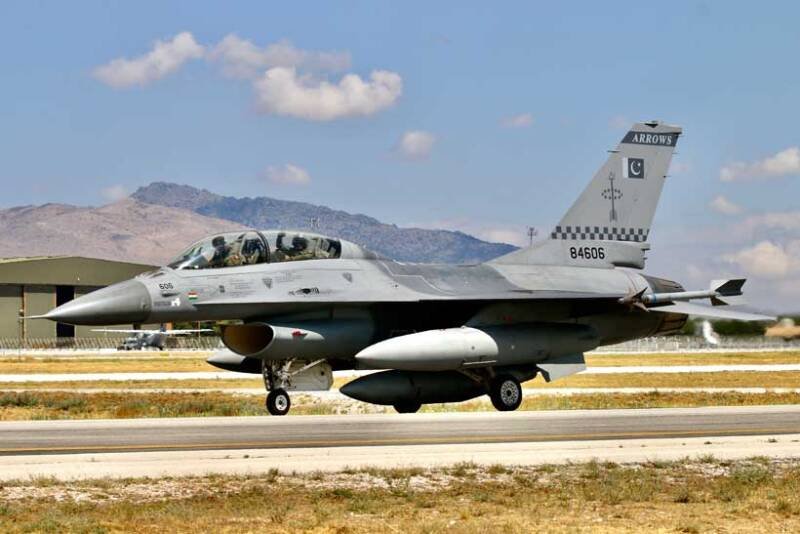



Pakistan deploys fighter jets to Saudi Arabia, sparking debate about regional security and defense alliances. Get expert analysis on what this means for stability and the future.
Pakistan has deployed fighter jets and other military personnel to Saudi Arabia, according to an official statement from the Saudi defense ministry. The deployment, with Pakistani aircraft arriving at the King Abdulaziz Air Base, is framed as a move to bolster defense cooperation and contribute to regional stability. This has sparked considerable discussion about the implications for the already complex geopolitical landscape of the Middle East.
The Saudi defense ministry stated that this deployment is part of an existing defense agreement between the two nations. The stated goal is to enhance security cooperation and work towards ensuring stability in the region.
While the exact number of aircraft and personnel involved hasn't been publicly released, the deployment likely includes trained pilots, maintenance crews, and potentially other specialized military support staff. Sending fighter jets indicates a significant commitment to Saudi Arabia's defense capabilities.
This deployment occurs against a backdrop of heightened regional tensions, including recent attacks allegedly carried out by Iran. It's crucial to understand why this news is significant:
In our opinion, this deployment is a multifaceted event with both intended and potential unintended consequences. While Pakistan and Saudi Arabia frame it as a defensive measure, it undoubtedly sends a message to other actors in the region, particularly Iran.
Pakistan's involvement is driven by a complex interplay of factors:
This deployment could impact the perception of Pakistan’s neutrality in regional conflicts. Maintaining a balance is crucial for Pakistan, as it also shares a border with Iran.
The future impact of this deployment remains uncertain, but several potential scenarios could unfold:
The key will be how these developments are perceived and acted upon by other nations in the region. Diplomatic efforts to de-escalate tensions are now more critical than ever.
In the long term, the success of this deployment will depend on its ability to contribute to genuine regional stability without inadvertently fueling further conflict. We believe careful diplomacy and a commitment to peaceful resolution are paramount.
























