Orphaned Bear Cubs Rescued on Vancouver Island: A Wildlife Success Story
Two orphaned black bear cubs rescued in Errington, Vancouver Island after their mother's death. Learn about their rescue, future care, and why this conservation effort matters.
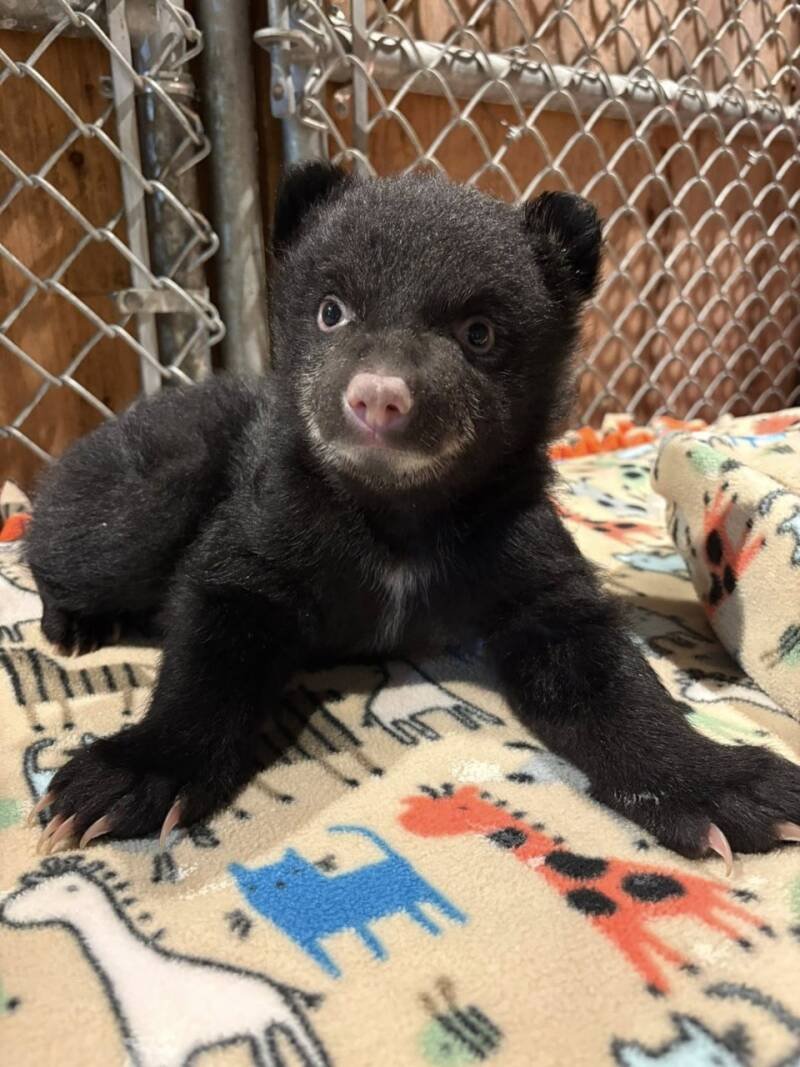



Two orphaned black bear cubs rescued in Errington, Vancouver Island after their mother's death. Learn about their rescue, future care, and why this conservation effort matters.
Two adorable black bear cubs, recently orphaned, have found a safe haven at a wildlife sanctuary on Vancouver Island. The cubs were discovered after their mother was tragically found dead in their den near Errington. This heartwarming rescue highlights the ongoing efforts of dedicated individuals and organizations committed to wildlife conservation.
Local residents stumbled upon the den and, realizing the mother bear was deceased, immediately contacted wildlife authorities. The young cubs, estimated to be only a few months old and completely dependent on their mother, were vulnerable and in desperate need of care. Without intervention, their chances of survival in the wild would have been slim to none.
Rescuing orphaned wildlife is a delicate process. The cubs were carefully extracted from the den by experienced wildlife professionals. They were then transported to a specialized wildlife sanctuary equipped to provide the intensive care they require. Initial assessments confirmed that the cubs were underweight and dehydrated, but otherwise in relatively good health.
This rescue is more than just a feel-good story; it underscores the importance of wildlife conservation and responsible human-wildlife interactions. The death of the mother bear is a somber reminder of the threats faced by wildlife, ranging from habitat loss and human encroachment to accidental deaths caused by vehicles or other human activities. By providing these cubs with a second chance, the wildlife sanctuary is contributing to the long-term health of the black bear population on Vancouver Island.
In our opinion, this situation highlights the complex relationship between humans and wildlife. While the cause of the mother bear's death hasn't been explicitly stated in the provided information, it's crucial to investigate and address any potential contributing factors. This could include examining the area for signs of human activity that might have stressed the bear, or assessing if there were any environmental factors at play. Understanding the root cause is vital for preventing similar incidents in the future.
Wildlife sanctuaries play a critical role in rehabilitating injured and orphaned animals. They provide specialized care, including veterinary treatment, appropriate nutrition, and a safe environment for animals to recover. The goal is often to release these animals back into the wild whenever possible. However, in cases like these bear cubs, where they are so young and haven't learned essential survival skills from their mother, a return to the wild may not be feasible.
The future for these cubs is now much brighter. At the sanctuary, they will receive around-the-clock care, including bottle feeding, veterinary checkups, and opportunities to develop their natural behaviors in a safe and stimulating environment. Whether they will eventually be released back into the wild or remain in long-term care at the sanctuary will depend on their development and ability to thrive independently. This could impact the resources needed to support the sanctuary.
Raising bear cubs in captivity presents significant challenges. It's crucial to minimize human contact to prevent them from becoming habituated to people, which would reduce their chances of survival if released. The sanctuary will need to provide an environment that mimics their natural habitat as closely as possible, allowing them to learn essential skills like foraging and den building. There is also the financial burden, with significant costs associated with food, veterinary care, and maintaining appropriate enclosures.
The rescue of these orphaned bear cubs is a testament to the dedication of wildlife professionals and the importance of ongoing conservation efforts. By working together, we can ensure a future where both humans and wildlife can thrive.
























