Orphaned Bear Cubs Rescued: A Second Chance for Wildlife
Two orphaned black bear cubs have been rescued on Vancouver Island after their mother's tragic death. Learn about their rescue, recovery, and what this means for bear conservation.
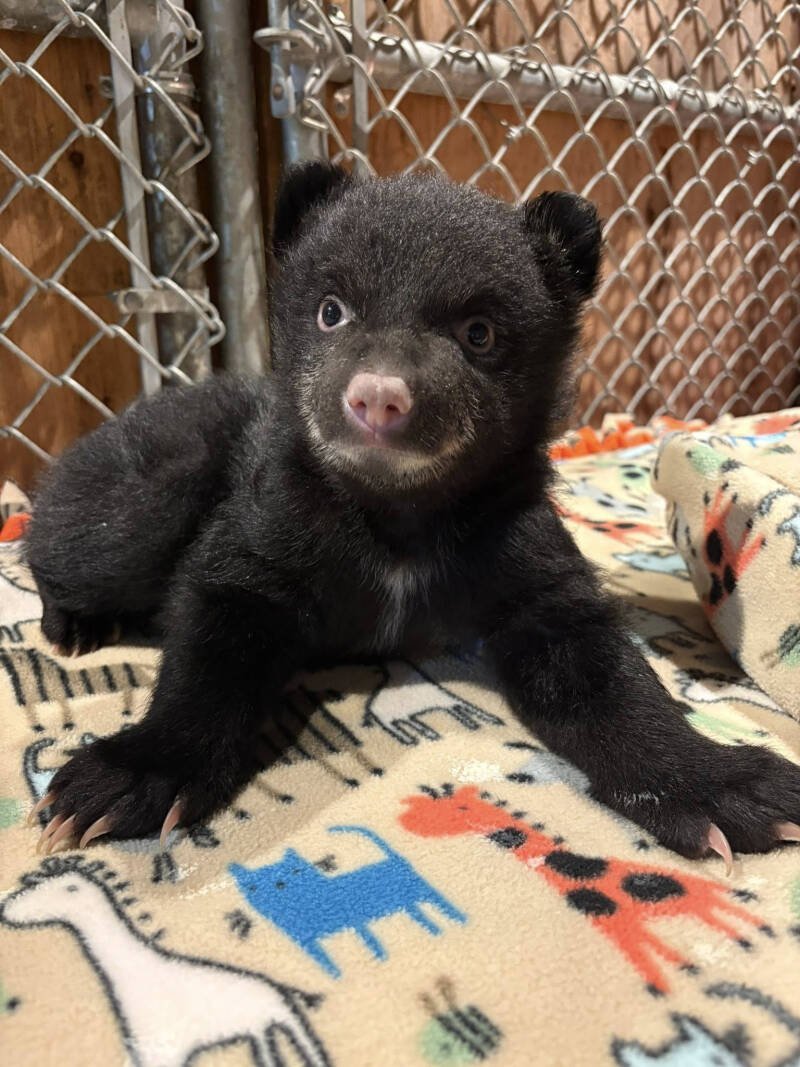



Two orphaned black bear cubs have been rescued on Vancouver Island after their mother's tragic death. Learn about their rescue, recovery, and what this means for bear conservation.
Two adorable black bear cubs have a second chance at life thanks to the quick actions of the North Island Wildlife Recovery Centre (NIWRC) on Vancouver Island. These cubs were discovered orphaned after their mother was tragically found dead in their den near Errington, British Columbia.
The NIWRC, a dedicated wildlife sanctuary, announced the rescue on their Facebook page, sharing the heartwarming news that the cubs are now in their care. The circumstances surrounding the mother bear's death are still unclear, but authorities are investigating. This unfortunate incident highlights the vulnerability of young wildlife and the crucial role rescue centers play in their survival.
The rescue operation was a collaborative effort, involving conservation officers and the NIWRC team. The cubs, estimated to be only a few months old, were carefully extracted from the den and transported to the recovery center. Upon arrival, they were given thorough examinations and are currently receiving specialized care to ensure their health and well-being.
Orphaned bear cubs face significant challenges. Without their mother, they lack the necessary skills to find food, build shelter, and protect themselves from predators. They also miss out on vital nutritional sustenance only provided from their mother's milk in their early months. Early intervention is crucial for their survival, and rehabilitation centers like NIWRC provide the expertise and resources needed to give these cubs a fighting chance.
This story is more than just a feel-good tale about cute bear cubs. It underscores several important points:
In our opinion, the swift response from conservation officers and the NIWRC is commendable. The dedication to rescuing and rehabilitating these vulnerable cubs demonstrates a strong commitment to wildlife preservation. We believe the circumstances surrounding the mother's death warrant a thorough investigation to determine if any human activity contributed to the tragedy.
The survival rate for orphaned cubs is significantly lower without intervention. The NIWRC provides the crucial care and support these cubs need to develop the necessary skills for potential release back into the wild. It is important to emphasize the hard work and expertise of such facilities that are key to animal survival.
The future for these cubs is currently uncertain, but promising. The NIWRC has a track record of successfully rehabilitating and releasing bears back into the wild. The cubs will likely spend the next several months at the center, learning essential survival skills under the guidance of experienced caregivers.
Potential Outcomes:
This could impact the local bear population in the long term, as every successful release contributes to the overall health and stability of the ecosystem. We are hopeful that these cubs will thrive and eventually contribute to the rich biodiversity of Vancouver Island.
The NIWRC relies on donations and volunteers to continue its vital work. Those wishing to support their efforts can find information on their website.
























