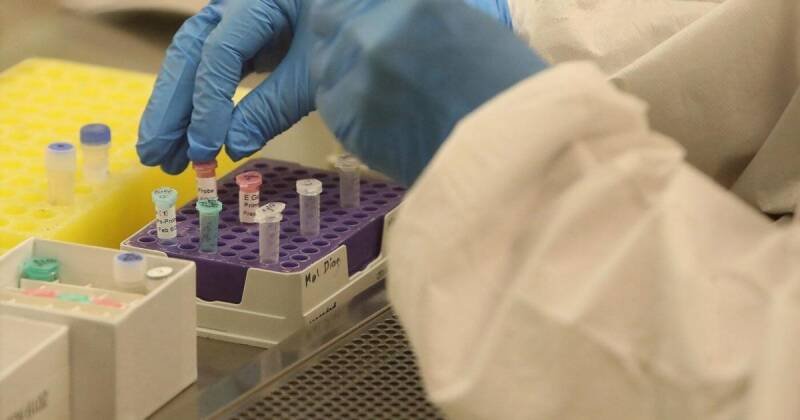
Ontario's New 'Cicada' COVID Variant: What You Need to Know (BA.3.2)
A new COVID variant, dubbed "Cicada" (BA.3.2), has been detected in Ontario. This article breaks down the risks, analyzes the potential impact, and offers insights into the future outlook.
Ontario Detects New COVID Variant: The 'Cicada' (BA.3.2)
A new COVID-19 variant, informally nicknamed "Cicada" (scientifically known as BA.3.2), has been identified in Ontario, Canada. This news might sound alarming, but let's break down what we know so far and what it means for you.
What We Know About BA.3.2
According to Public Health Ontario, the available evidence suggests that BA.3.2 poses a "low additional public health risk." This is crucial information, as it indicates that health officials are not currently overly concerned about a significant surge in cases or severity of illness related to this particular variant.
However, it's important to remember that the COVID-19 virus is constantly evolving. New variants will inevitably emerge, and continuous monitoring is essential to understanding their potential impact.
Why This News Matters
Even though the initial assessment suggests a low risk, the detection of any new variant is significant for several reasons:
- Monitoring Evolution: Identifying and tracking new variants allows health officials to understand how the virus is changing and adapt public health strategies accordingly.
- Preparedness: Early detection provides time to prepare for potential increases in cases or changes in disease severity.
- Informing the Public: Transparency about new variants helps the public stay informed and make informed decisions about their health.
Our Analysis
In our opinion, the "low additional public health risk" assessment from Public Health Ontario is reassuring. However, complacency is not an option. The emergence of BA.3.2 highlights the ongoing need for robust surveillance systems to detect and characterize new variants as they arise.
The fact that BA.3.2 has been detected in Ontario suggests that it may already be circulating in other regions as well. While the initial risk assessment is low, further investigation is warranted to fully understand its transmissibility, severity, and potential impact on different populations.
This could impact ongoing efforts to manage the pandemic and transition towards a more normal state of affairs. It underscores the importance of staying vigilant and adhering to public health recommendations, such as vaccination and booster shots.
Understanding "Low Additional Public Health Risk"
It's important to clarify what "low additional public health risk" likely means in this context:
- Similar Severity: The variant is not expected to cause more severe illness compared to currently circulating strains.
- Vaccine Effectiveness: Existing vaccines are likely to offer protection against severe illness and hospitalization from BA.3.2.
- Manageable Transmission: The variant's transmissibility is not significantly higher than current strains, meaning it's unlikely to cause a rapid surge in cases.
Future Outlook
The future outlook regarding BA.3.2 is uncertain but cautiously optimistic. Here's what we can expect moving forward:
- Continued Monitoring: Public health agencies will continue to monitor the spread and characteristics of BA.3.2.
- Further Research: More research will be conducted to assess its long-term impact and potential for future mutations.
- Public Health Recommendations: Public health recommendations may be adjusted based on new evidence and the evolving situation.
It's crucial to stay informed and follow the guidance of public health officials. While the "Cicada" variant doesn't currently appear to be a major threat, ongoing vigilance and preparedness are essential to navigating the ongoing COVID-19 pandemic. Remember to consult reputable sources for information and avoid spreading misinformation.