North Miami Beach Condo Board Member Arrested for Kickback Scheme: What It Means for Homeowners
A North Miami Beach condo board member arrested for allegedly pocketing kickbacks from building contracts. Learn what this means for condo owners and future safeguards.
North Miami Beach Condo Board Member Arrested in $21K Kickback Scheme
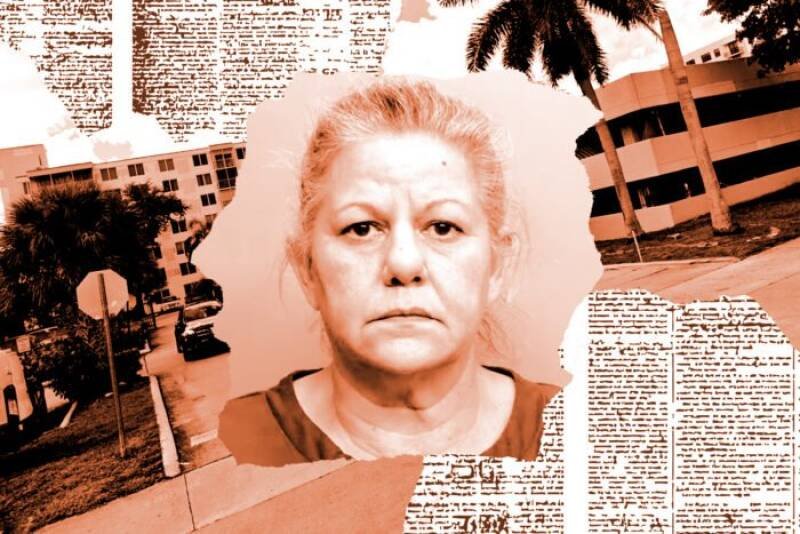
A North Miami Beach condominium board member, Maria Del Carmen Alvarez-Concepcion, has been arrested and charged with organized fraud, second-degree grand theft, and soliciting or accepting kickbacks. The arrest stems from allegations that she pocketed over $20,000 in kickbacks related to building contracts at the Greynolds Park Club Condominium Association, located at 17890 West Dixie Highway.
Alvarez-Concepcion, a long-time board member and homeowner, allegedly solicited and accepted $20,910 in unauthorized payments from vendors seeking to secure business with the 138-unit, seven-story complex. The case is currently being investigated and further details are expected to emerge as the legal process unfolds.
Why This News Matters
This arrest highlights a significant problem within homeowner associations (HOAs) and condominium boards: the potential for corruption and financial mismanagement. While most board members act in good faith and with the best interests of their community at heart, this case demonstrates that oversight is crucial.
For condo owners and residents, this news can be unsettling. It underscores the importance of actively participating in HOA meetings, scrutinizing financial reports, and holding board members accountable. This type of alleged behavior can lead to increased HOA fees, deferred maintenance, and a general decline in property values.
Impact on Condo Owners
- Financial Burden: Kickback schemes often inflate contract costs, ultimately leading to higher HOA fees for homeowners.
- Property Value: Corruption can negatively impact the desirability and market value of condo units.
- Trust Erosion: Such incidents erode trust in the HOA board, leading to tension and conflict within the community.
Our Analysis
In our opinion, this case serves as a stark reminder of the need for greater transparency and accountability within condo associations. The fact that a long-term board member could allegedly engage in such behavior points to a potential lack of oversight and internal controls. It also suggests that vendor selection processes may not have been as rigorous as they should be.
This could impact insurance rates for similar associations. Insurers will likely take note of this event, possibly increasing premiums or requiring more robust internal controls as a condition of coverage. The focus on preventative measures is likely going to increase.
Potential Systemic Issues
- Lack of Oversight: Insufficient checks and balances within the HOA structure.
- Weak Vendor Selection: Inadequate vetting processes for contractors and service providers.
- Insufficient Audits: Infrequent or superficial audits of HOA finances.
Future Outlook
Moving forward, it's likely that we'll see increased scrutiny of HOA finances and operations. Condo associations may need to implement stricter internal controls, such as mandatory competitive bidding for contracts, independent audits, and conflict-of-interest disclosures for board members.
Legislatively, this case could spur lawmakers to consider stricter regulations for HOAs, including mandatory training for board members and greater transparency requirements. This could also increase the legal requirements around audits of HOA finances.
This incident also underscores the importance of homeowner education and engagement. Residents should be encouraged to participate actively in their HOA, ask questions, and hold their board members accountable. While many residents prefer to stay uninvolved, incidents like this demonstrates the vital role of involvement.
The outcome of this legal case will also be closely watched, as it could set a precedent for future prosecutions of similar offenses. It's crucial that the legal system holds individuals accountable for abusing their positions of trust and defrauding homeowners.
Possible Future Developments
- Stricter HOA Regulations: Increased government oversight and regulations for condo associations.
- Enhanced Internal Controls: Implementation of more robust financial controls and vendor selection processes.
- Increased Homeowner Awareness: Greater awareness and participation from homeowners in HOA matters.