NBC's "Happy's Place": A Fresh Sitcom, Explained
NBC's new sitcom "Happy's Place" offers a bar-centric comedy. We break down the show, its potential, and why it matters to the future of network TV.
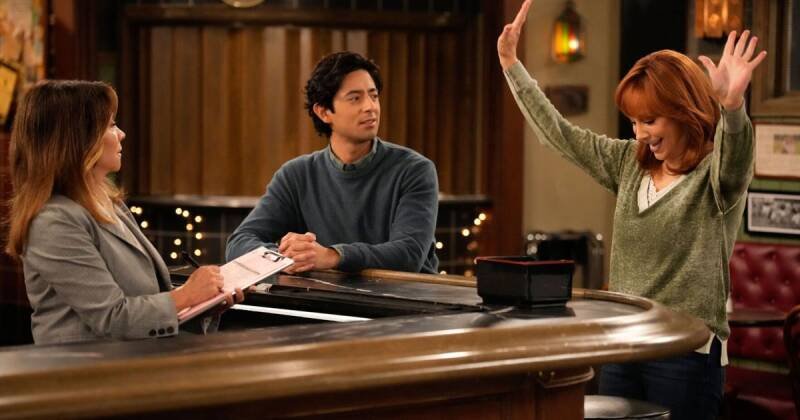



NBC's new sitcom "Happy's Place" offers a bar-centric comedy. We break down the show, its potential, and why it matters to the future of network TV.
NBC is betting big on laughs with its new sitcom, "Happy's Place." The show centers around the antics and everyday life within a local bar, hoping to capture that classic sitcom magic that audiences crave. Pablo Castelblanco, who stars as Steve, has been discussing the show, offering insights into its creation and his character's role. Let's dive into what makes "Happy's Place" tick.
While details are still emerging, "Happy's Place" seems to be following in the footsteps of beloved bar-based comedies like "Cheers" and "It's Always Sunny in Philadelphia" (though hopefully leaning towards the former's heartwarming charm). It promises a mix of quirky characters, relatable situations, and, of course, plenty of opportunities for comedic misunderstandings. The success of shows like "Abbott Elementary" show that networks are still interested in investing in traditional sitcoms.
In an era dominated by streaming services and on-demand content, a network sitcom premiere is a significant event. It signals NBC's continued commitment to broadcast television and the traditional sitcom format. Furthermore, "Happy's Place" represents a bet on the enduring appeal of community-based humor. Can a bar setting still provide the perfect backdrop for relatable comedy? That’s what NBC is hoping to prove.
The bar-centric sitcom is a time-honored tradition. "Cheers" set the gold standard, proving that a well-developed ensemble cast and cleverly written scripts can turn a simple setting into a comedic goldmine. "Happy's Place" needs to differentiate itself. In our opinion, it should bring a fresh perspective to the formula. The show needs to be relevant and find ways to resonate with modern audiences.
Pablo Castelblanco's involvement is also noteworthy. His background and experiences likely bring a unique perspective to the character of Steve. How Steve is written and portrayed could significantly impact the overall tone and success of the show.
The sitcom landscape is crowded, and "Happy's Place" faces stiff competition from established shows on streaming platforms. It needs to quickly establish its own identity and build a loyal audience. Furthermore, relying too heavily on familiar tropes could lead to it feeling stale and predictable. The writers will need to innovate and create memorable characters that audiences can invest in.
The success of "Happy's Place" hinges on several factors. Strong writing, a talented cast, and effective marketing are essential. Furthermore, the show needs to adapt to changing audience preferences and find a way to stand out from the crowd. The coming weeks will be important. Positive early reviews and strong viewership numbers could pave the way for a long and successful run. However, a lukewarm reception could lead to an early cancellation.
This could impact the broader television industry. If "Happy's Place" succeeds, it could encourage other networks to invest in traditional sitcoms. Conversely, failure could reinforce the narrative that streaming is the only viable platform for comedy. The stakes are high, and the future of network comedy may depend, in part, on the success of "Happy's Place."
Ultimately, "Happy's Place" represents a gamble for NBC. It's a bet that the classic sitcom format still has relevance in a rapidly changing media landscape. Whether it pays off remains to be seen, but we'll be watching with interest.
























